












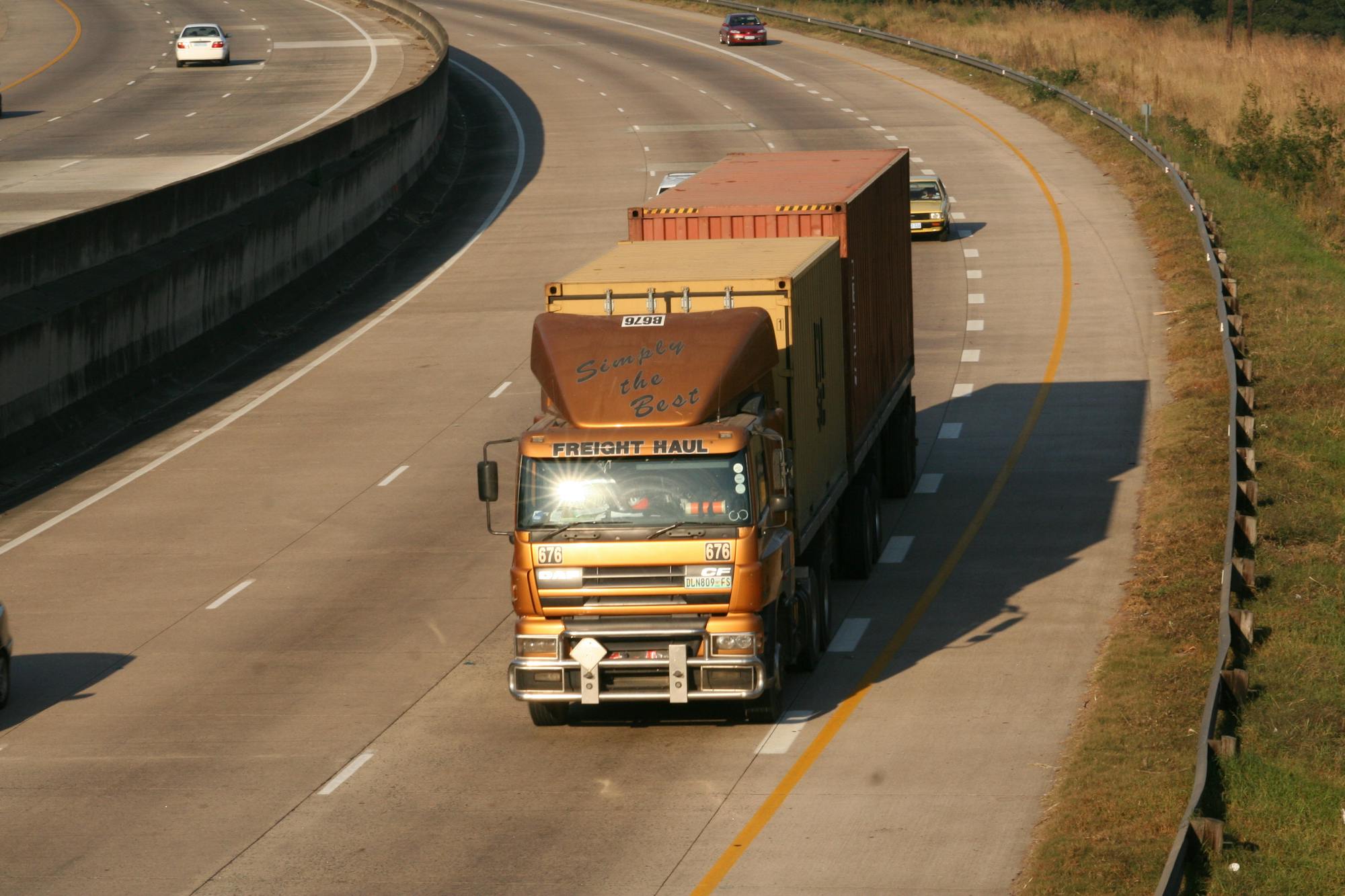


Namibia's Freight Partner

Moving Cargo Where
the Market Is Growing.

30 vehicles. 4 active corridors. Johannesburg to the DRC Copperbelt, and everywhere in between.

Walvis BayNdola In Transit ETA 9d
JohannesburgWindhoek In Transit ETA 1d 12h
WindhoekOshakati Loading Dispatch 06:30
Walvis BayLubumbashi Border Kasumbalesa
WindhoekCape Town Reefer Active -2 °C
Walvis BayKitwe Cleared ETA 3d 8h
0
Vehicles in Active Fleet
0
Active Corridors
0
Anchor Clients
0
Years Combined Experience
What We Move

Three Service Lines.
One Operator.

Davos Logistic Solutions moves FMCG for Heineken Beverages, refrigerated cargo for Meatco Namibia, and bulk freight between Johannesburg and the Zambia Copperbelt.

Heavy Haul Corridor Freight

Heavy Haul & Corridor Freight

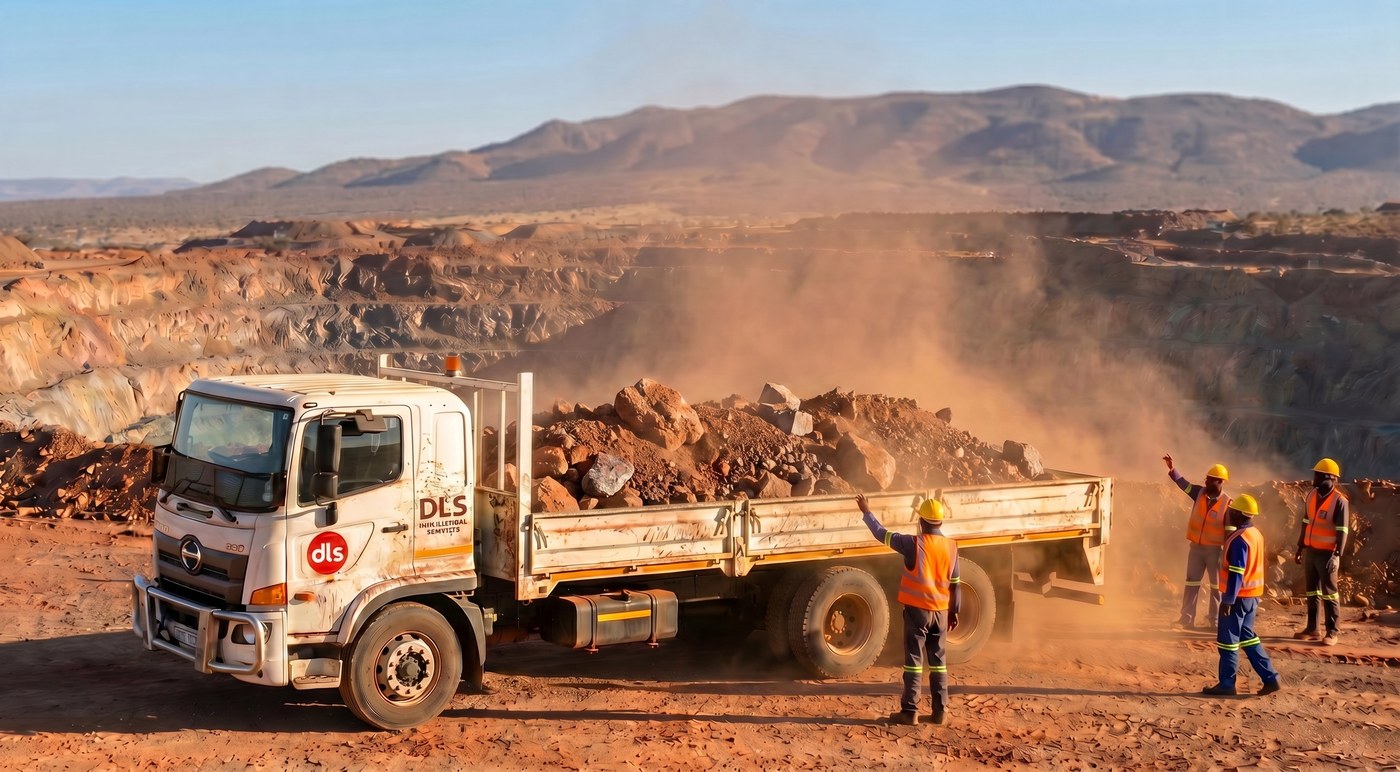
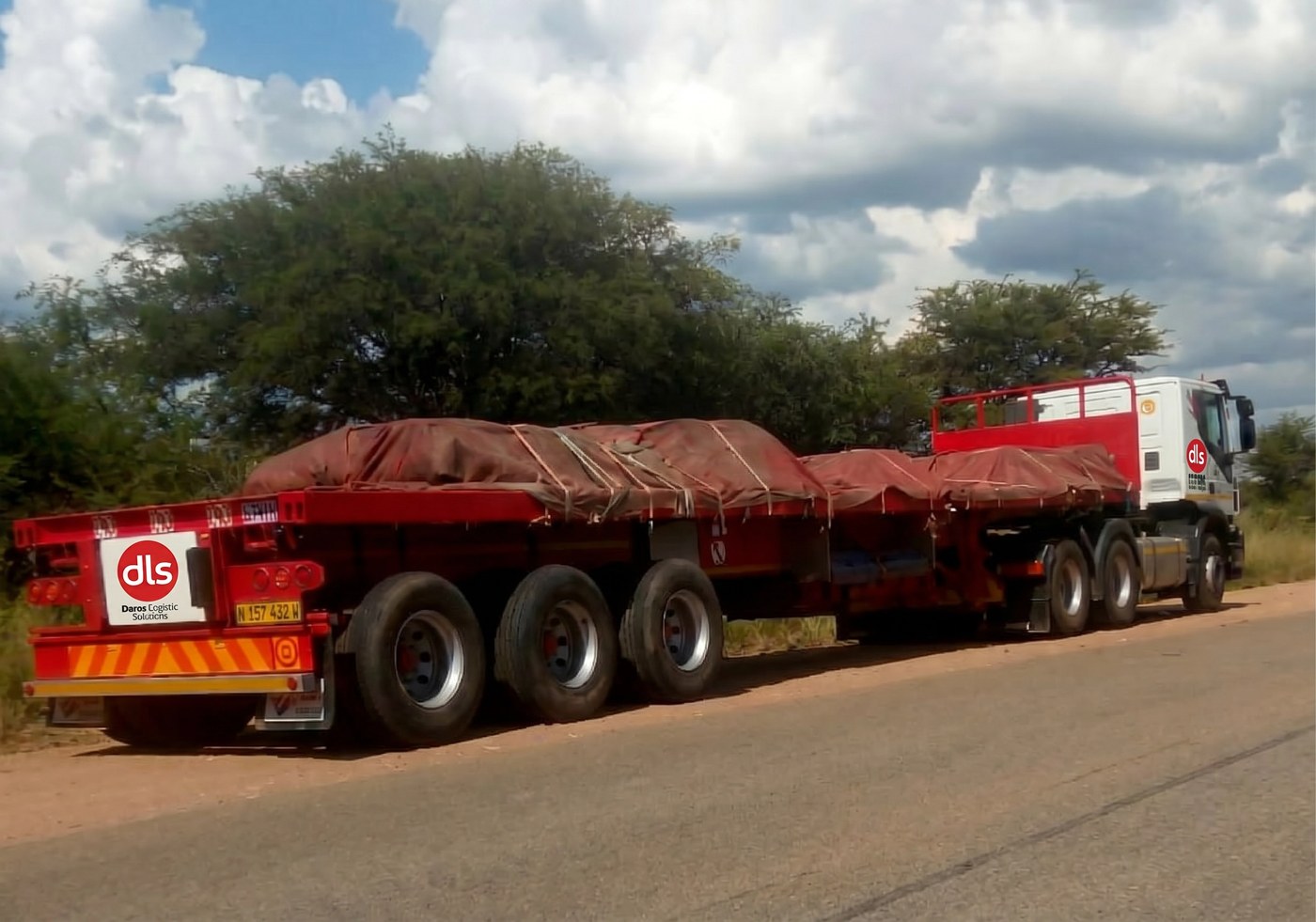
Super-link flatbeds on the Walvis Bay to Copperbelt corridor. Mining inputs northbound. Copper cathode southbound.

Learn More
FMCG Distribution

FMCG Distribution & Cross-border

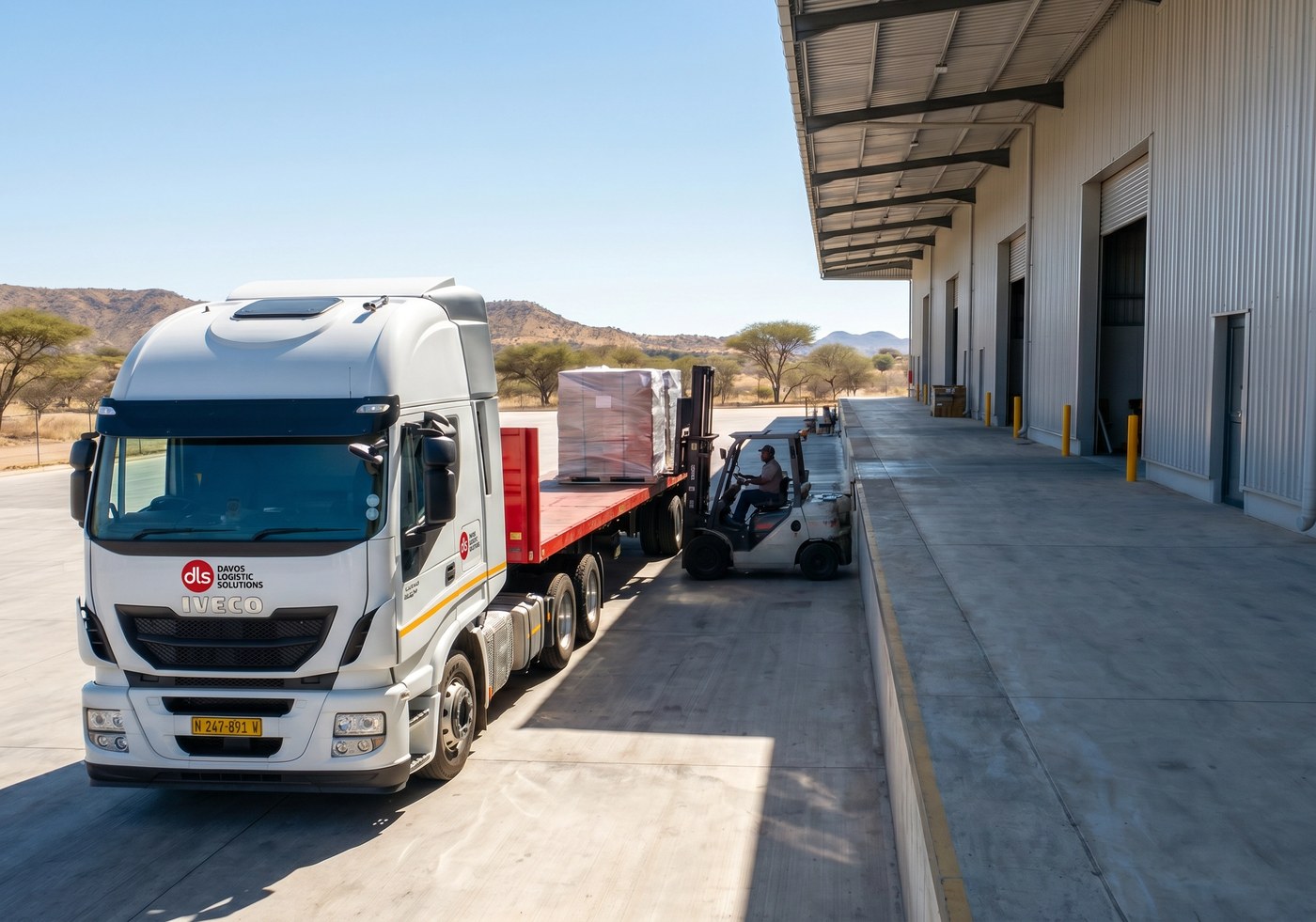
In-country Namibia distribution and the Johannesburg-Windhoek corridor. Daily runs. Dedicated protocols.

Learn More
Refrigerated Transport

Refrigerated Transport

Cold chain freight for Namibia's meat and agri-processing sector. Windhoek to Walvis Bay and Cape Town.

Learn More
Why DLS

We Don't Pitch Corridors.
We Run Them.

01

We Run the Corridors

The Walvis Bay to Copperbelt route is active, not aspirational. We are moving cargo on it now.

02

Our Clients Are Enterprise

Heineken Beverages chose DLS after Imperial Logistics exited the Namibia contract. That is not a coincidence.

03

Every Vehicle Is Tracked

Cartrack 24/7 satellite monitoring on all 30 assets. You know exactly where your cargo is at all times.

04

Management Goes Deep

Over 45 years of combined logistics and finance experience. Not just drivers and dispatch.

Our Clients

Trusted by Namibia's Leading Brands

Active relationships across FMCG, cold chain, mining, government and logistics sectors.

50%
Walvis Bay corridor volume growth in 2022/23
(Walvis Bay Corridor Group)
3M
Tonnes of copper: Zambia's production target by 2031
177%
Projected EV copper demand increase by 2030
(International Copper Association)
Ready to Move?

Ready to Move?

Call us at +264 851 296 238 or fill in our quote form and we'll get back to you within one business day.

About DLS

Built in Namibia.
Built for Africa.

A 30-vehicle road freight operator running FMCG distribution, refrigerated cargo, and the Walvis Bay to Copperbelt corridor. Discipline is the product. Compliance is the standard.

Our Story

An Operational Thesis,
Not an Ambition Statement.

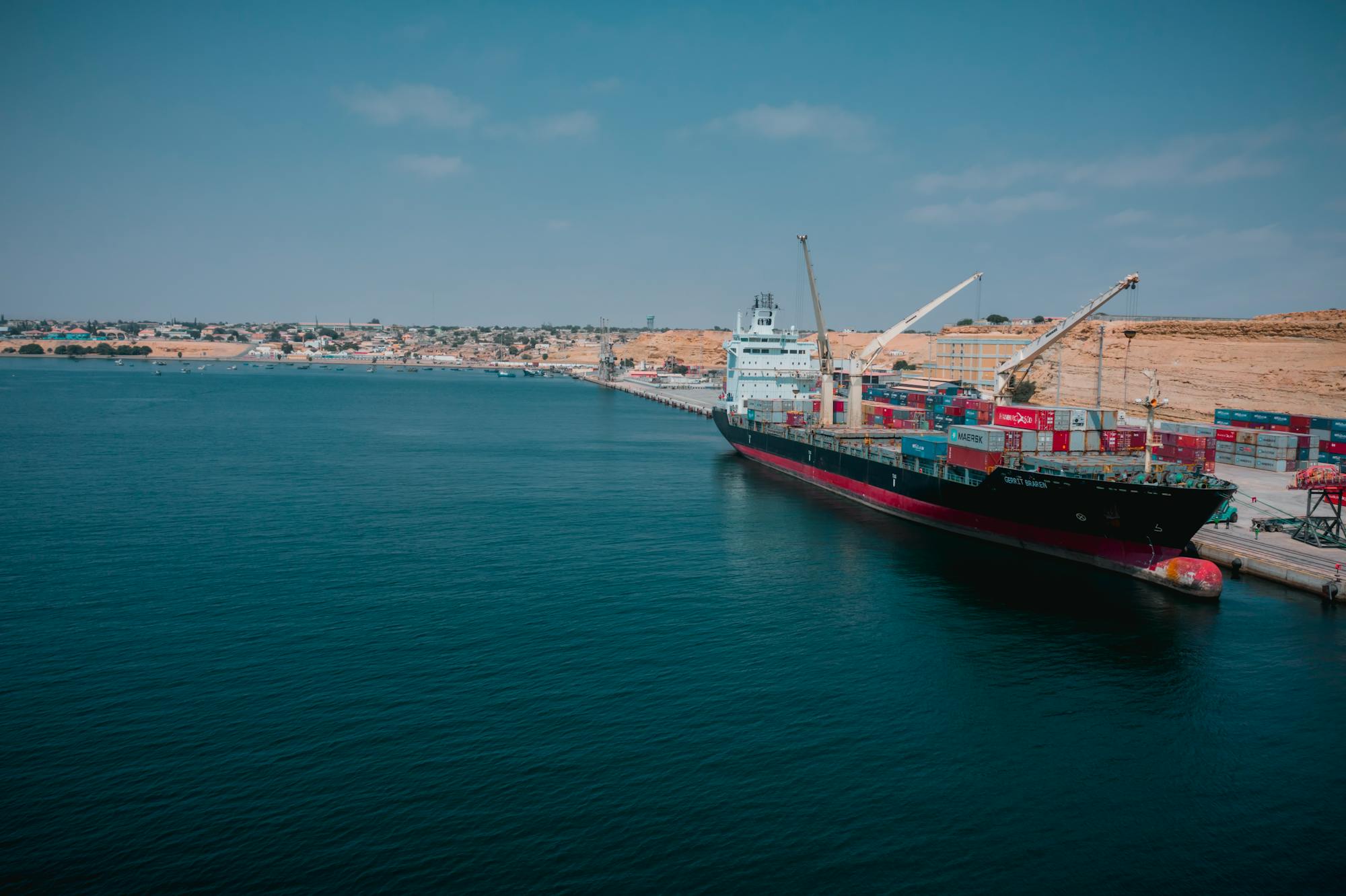
Davos Logistic Solutions was built on a clear operational thesis. Namibia sits at the western edge of a continent whose freight corridors are growing faster than the operators serving them. The Walvis Bay deep-water port is one of southern Africa's most strategically positioned export gateways. The Trans-Caprivi and Trans-Kalahari corridors connect that port to landlocked markets that produce the copper, cobalt, and minerals the global economy will rely on through the energy transition.

The freight opportunity is real. The corridor growth is real. The gap between operator capacity and shipper demand is real. We built DLS to close that gap with discipline, not with ambition statements.

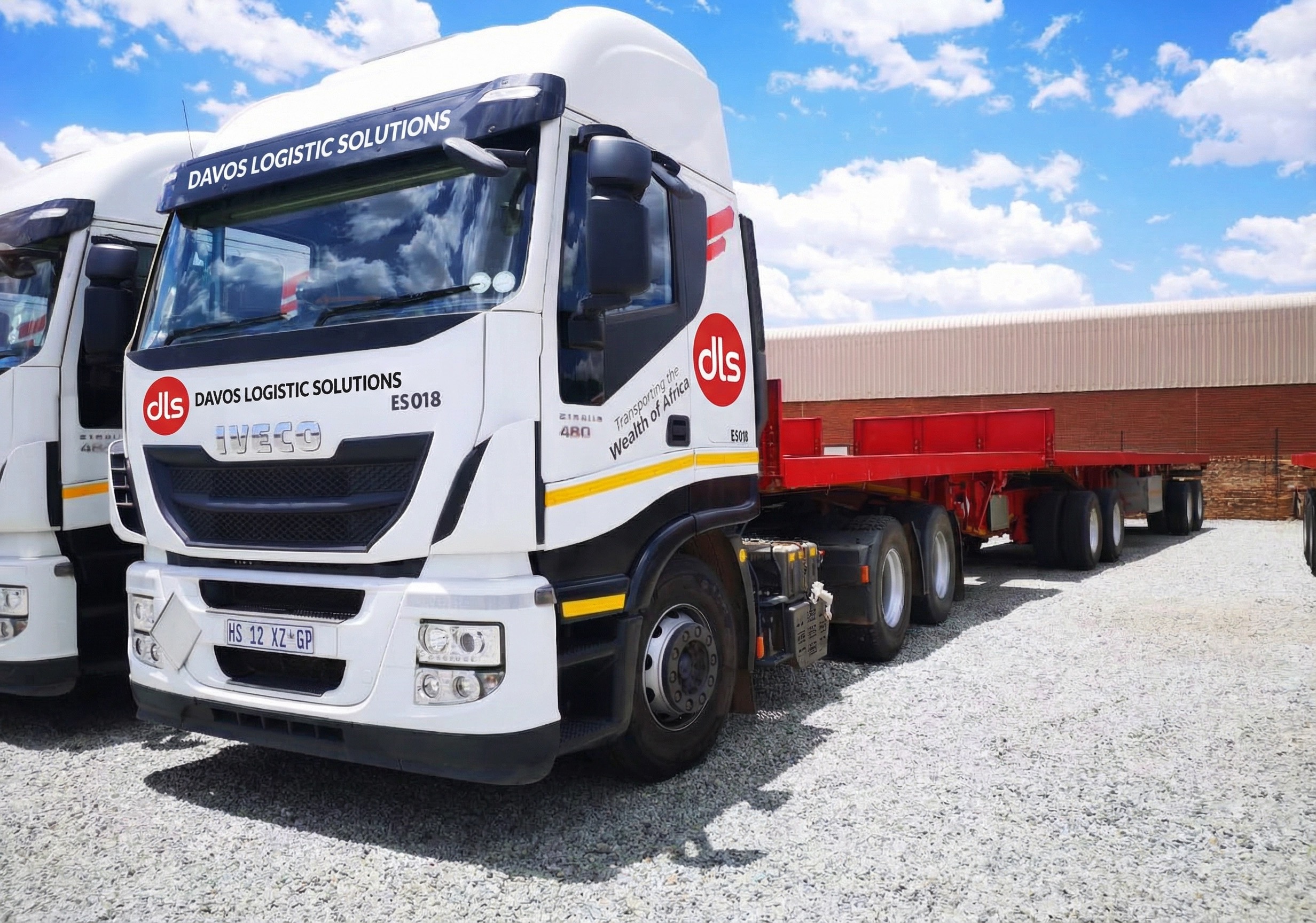
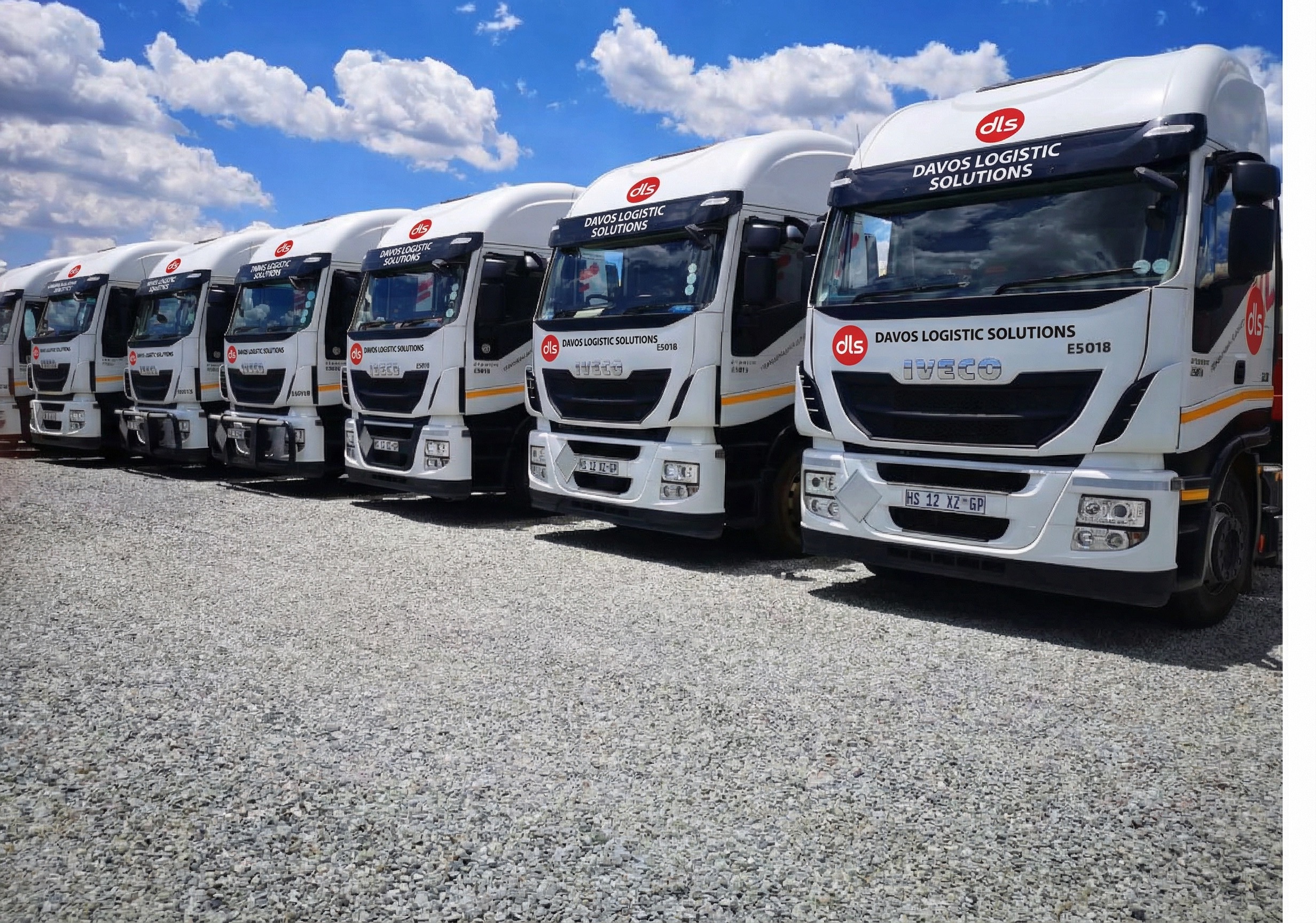
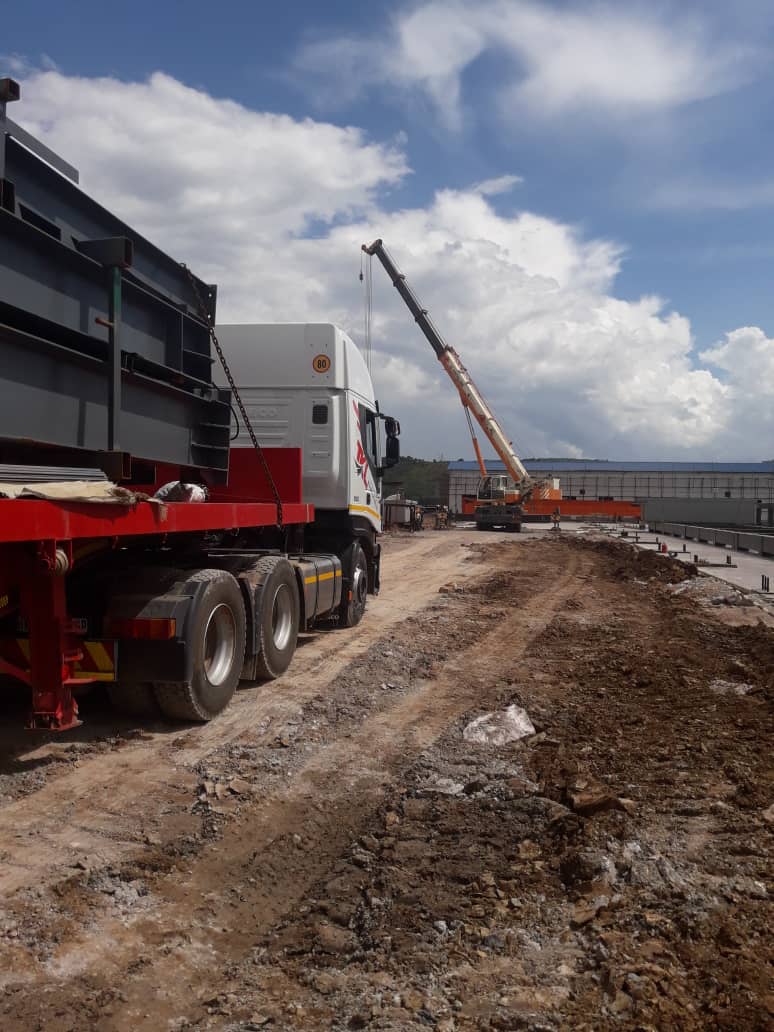
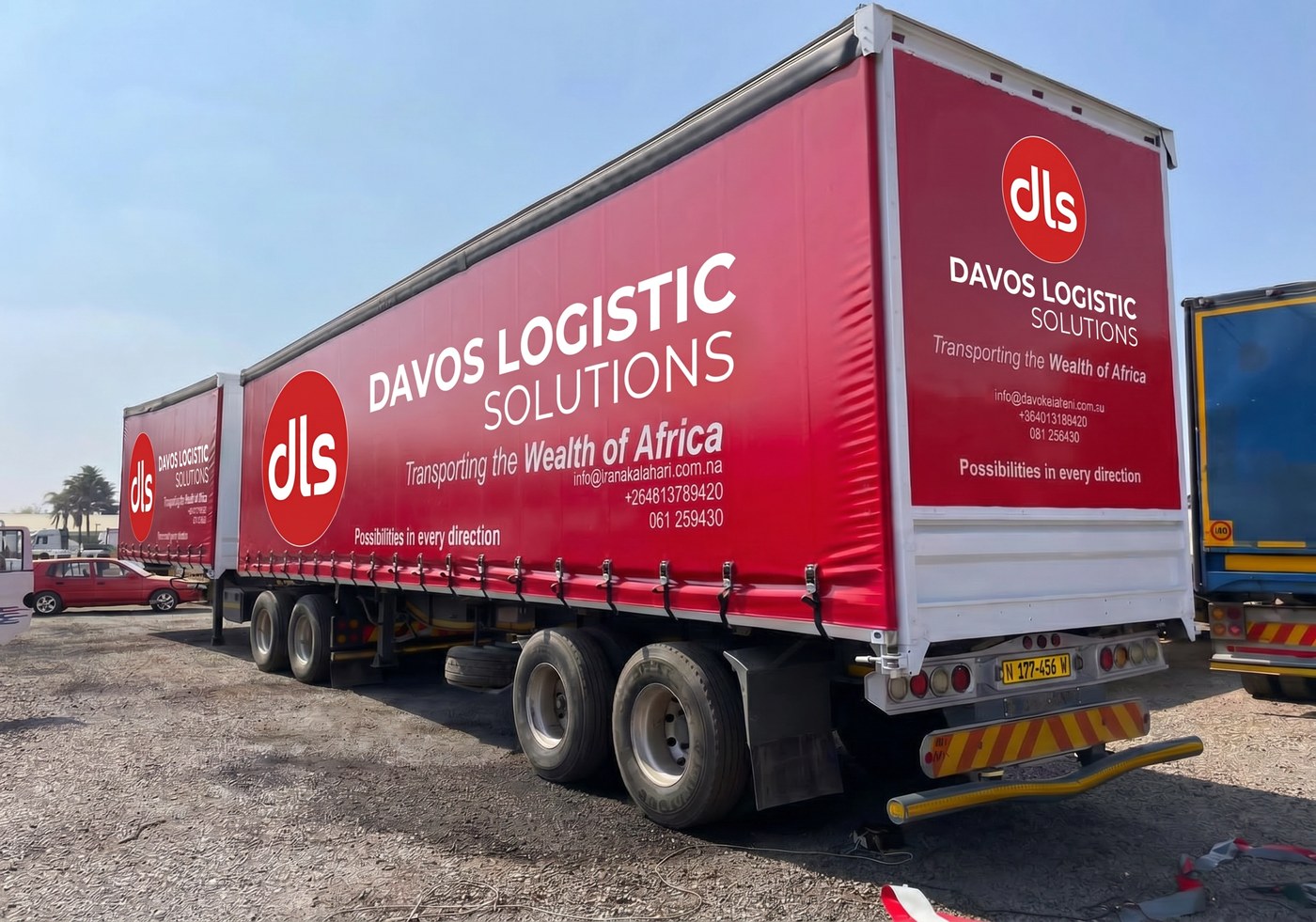
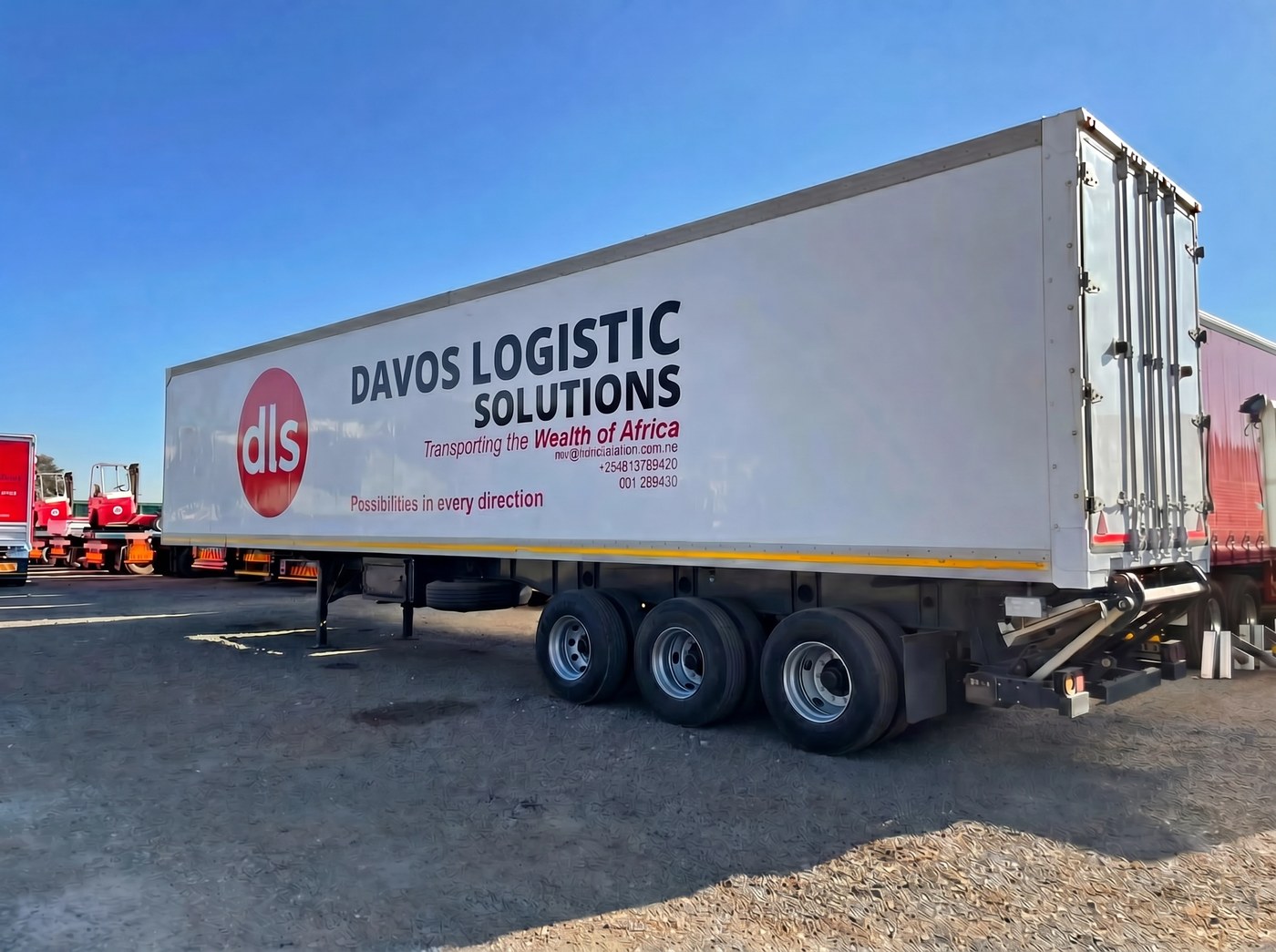
DLS fleet on corridor
Founding Priorities

From the start,
the priorities were simple.

01

Own the fleet

Do not subcontract the core corridor work. Every kilometre of revenue moves on DLS-owned assets.

02

Compliance, not marketing

Dangerous-goods rating and satellite monitoring on every vehicle. Not just on the brochure.

03

A management team with depth

Deep finance, operations, and mechanical experience across Namibia, South Africa, and the broader region.

04

Structural corridors

Position on the corridors where cargo is structural, not aspirational. The freight has to be real.

Today

30 Vehicles. Four Corridors.
One Operating Standard.

DLS operates a 30-vehicle fleet across four active corridors. We move FMCG for Namibia Breweries, refrigerated cargo for Meatco Namibia, bulk freight between Johannesburg and Windhoek, and northbound mining inputs and southbound copper concentrate on the Walvis Bay to Copperbelt route. The client base spans multinational beverage operators, state-owned enterprises, parastatal organisations, and regional logistics principals. Every vehicle is dangerous-goods rated, satellite tracked, and maintained under manufacturer service contracts.

What We Believe

Reliability is the product. Documentation is the discipline that makes reliability possible. Fleet allocation matched to cargo profile is the difference between an operator with assets and an operator with a business.

The corridors we serve are growing through 2031 and beyond. The operators who build their capacity now will hold the relationships that compound through that growth.

Dual Registration

Windhoek & Johannesburg.
One Operator.

DLS is registered in both Namibia and South Africa, with headquarters in Windhoek and an administration office in Rosebank, Johannesburg. The dual registration positions us to move cargo within South Africa and originate freight into Namibia, Zambia, and the DRC from the continent's largest logistics hub.

DLS Operations
Compliance & Safety

A Structural Feature,
Not an Overlay.

DLS treats compliance as a structural feature of the operation. The disciplines below are the standard for every vehicle and every cargo movement.

Dangerous Goods Certification

All 30 vehicles are DG-rated, covering placarding, fire suppression, spill containment, cargo securing, and electrical isolation. SADC and national driver training is current for every driver allocated to DG routes.

Satellite Monitoring & Tracking

24/7 Cartrack on every vehicle - GPS, speed, driver behaviour analytics, geofencing, and incident alerts. Data is reviewed daily and feeds driver coaching, maintenance scheduling, and client reporting.

SADC Transit Documentation

Full SADC transit paperwork managed in-house: customs declarations, transit bonds, SADC certificates of origin, DG declarations, and clearing-agent relationships at every principal border post on our network.

Fleet Maintenance & Uptime

Assets maintained under full manufacturer service contracts including the Iveco & You programme - parts availability, factory-trained technicians, defined response times. Vehicle-off-road teams positioned on active corridors to compress downtime.

Driver Compliance & Route Protocols

Driver compliance programmes, route protocols, and chain-of-custody documentation on every run. Cross-border drivers briefed on documentation, border-post protocols, and emergency response specific to each corridor.

Cold Chain Compliance

Real-time temperature monitoring, alarm thresholds, and exception reporting on every refrigerated load. Applies to meat processing cargo, agricultural produce, and other temperature-critical freight across Windhoek, Walvis Bay, and Cape Town.

Careers

We hire when we have
a clear operational need.

DLS is growing across all service lines. Roles open from time to time across operations, fleet maintenance, driving, administration, and corporate support. We hire when we can match a role to a candidate who fits the discipline and standards of the business.

01 - What we look for

Discipline. Accountability. Comfort with complexity.

Operational discipline. Accountability. Comfort with cross-border cargo complexity. An interest in doing the work well rather than just doing it. Specific technical qualifications and experience requirements vary by role.

02 - How to apply

CV and short cover note.

Send your CV and a short cover note to info@davoslogistic.com. Include the role you are applying for in the subject line - or if you are applying speculatively, indicate which service line or function interests you.

03 - What you can expect

A structured, reference-checked process.

We respond to applications within a reasonable timeframe. Matching profiles are invited to an initial conversation. Shortlisted candidates progress through operational, technical, and reference checks appropriate to the role.

Leadership

A Management Team With
Deep Operational Roots.

DLS is led by a management team with deep operational roots in Namibian and southern African logistics. The team spans finance, operations and fleet, mechanical management, administration, and human resources - giving DLS the internal capacity to manage complexity at scale without outsourcing institutional knowledge.

35+
Years of combined leadership experience
5
Functional disciplines on the team
2
Countries of registered operation

Credentials include Chartered Accountancy route training, postgraduate study in Private Equity and Venture Capital, postgraduate work in Business Analytics, Transport Management qualifications, Human Resources Management qualifications, and over a decade of dedicated fleet and mechanical management experience. The team has worked across Namibia and South Africa, with operational exposure to the broader SADC region.

The leadership structure is built around clear functional responsibility - finance and capital strategy in one office, operations and fleet in a second, with mechanical and fleet maintenance, administration and marketing, and human resources rounding out the complement. Across the team, the operational philosophy is consistent: discipline is the product, compliance is the standard, and client relationships are built on documented performance.

BM
Brian Mulundu
Brian Mulundu
Finance Director
Leads finance and capital strategy across the group. B.Accounting (CA route). Postgraduate study in Private Equity & Venture Capital, Bocconi University. Business Analytics, Johns Hopkins.
BM
Buddy Mwandingi
Buddy Mwandingi
Operations Manager
B.Tech Transport Management. 5+ years on-ground logistics operations and fleet coordination across DLS corridors.
AS
Absai Shimali
Absai Shimali
Mechanical & Fleet Maintenance
10+ years industry experience, 6 years dedicated to fleet management and maintenance oversight under manufacturer service contracts.
EA
Elise Abraham
Elise Abraham
Administration & Marketing
15+ years experience, 10 of them in fleet management and operations administration. Manages client-facing administration and marketing.
EN
Eva Nantinda
Eva Nantinda
Human Resources Manager
Leads people operations across DLS - payroll, statutory compliance, recruitment, and office management across the Windhoek and Johannesburg offices.
Services

Three Service Lines.
Purpose-Built for SADC.

All vehicles dangerous-goods rated. Cartrack 24/7 satellite monitoring on every asset. Built for the corridors most operators find difficult.

Heavy Haul & Corridor
FMCG Distribution
Refrigerated Transport
Service Line 01

Heavy Haul & Corridor Freight

Moving cargo where the market is growing. The Walvis Bay to Copperbelt corridor is the most strategically significant freight route in southern Africa right now. DLS is on this route with the flatbed capacity, dangerous-goods certification, and border crossing protocols to handle both mining inputs and mineral concentrate backhaul.

Northbound Cargo

  • Mining reagents: sulphur, lime, caustic soda
  • Mining equipment & spare parts
  • FMCG for Copperbelt populations
  • Construction materials & project cargo

Southbound Cargo

  • Copper cathode (electrolytic, plate format)
  • Copper concentrate
  • Cobalt ore & by-products
  • General southbound freight

Fleet on this service line:

10 × Super-link Flatbeds (34t) 5 × Super-link Tautliners (34t)
Heavy Haul Corridor Freight

Active Corridors

Zambia Copperbelt
Walvis Bay → Ndola / Kitwe
Transit: ~12 days
DRC
Walvis Bay → Lubumbashi / Kolwezi
Transit: ~16 days
Trans-Kalahari
Johannesburg → Windhoek
Transit: ~2 days
Service Line 02

FMCG Distribution & Cross-border

Namibia's distribution network, built on relationships. DLS runs dedicated FMCG distribution across Namibia for the country's most active consumer goods brands. Daily routes from Windhoek to Walvis Bay, Oshakati, Rundu, Katima Mulilo, and all major retail centres.

Namibia Breweries, operating under the Heineken Beverages umbrella, shifted its Namibia distribution to local suppliers. DLS is one of those suppliers.

What We Move

  • Beverages: Heineken, Coca-Cola, CIC Holdings
  • General FMCG: dry goods, packaged food
  • SkyNet Namibia courier parcels
  • Cross-border retail freight

How It Works

  • Dedicated run-sheets per client route
  • Load planning & cargo acceptance protocols
  • Proof of delivery documentation
  • Flexible fleet deployment by volume

Fleet on this service line:

5 × Mini Trucks (1.3t) 6 × Medium Trucks (4-10t) 5 × Super-link Tautliners (34t)
FMCG Distribution
Service Line 03

Refrigerated & Temperature-Controlled Transport

Cold chain that doesn't break. Cold chain infrastructure is one of the most underserviced segments in Namibia's logistics market. DLS operates a dedicated reefer fleet for Namibia's meat processing and agricultural sector, running refrigerated loads between Windhoek, Walvis Bay, and Cape Town.

What We Move

  • Meatco Namibia export-grade beef
  • AMTA refrigerated agri-produce
  • Pharmaceutical & temperature-sensitive cargo

Key Corridors

  • Windhoek to Walvis Bay
  • Windhoek to Cape Town
  • In-country Namibia refrigerated distribution

Fleet on this service line:

2 × Tri-axle Reefers (28t) Temperature monitoring on all runs
Refrigerated Transport
Our Routes

Our Routes Across
Southern Africa

DLS does not subcontract its core corridor runs. Every vehicle deployed on these routes is DLS-owned, DLS-tracked, and managed under our internal maintenance and compliance framework.

Walvis Bay → Ndola / Kitwe
Transit: ~12 days  ·  Border: Ngoma, Trans-Caprivi, Kazungula
Zambia Copperbelt

The primary westward export corridor for Zambian copper. Walvis Bay's deep-water port is the most efficient Atlantic Ocean outlet for Copperbelt production. Zambia's copper production reached 890,000 metric tonnes in 2025, targeting 3 million by 2031.

    Northbound
  • Mining reagents (sulphur, lime)
  • Mining equipment
  • FMCG & consumer goods
  • Project cargo
    Southbound
  • Copper cathode
  • Copper concentrate
  • Cobalt ore & by-products
Walvis Bay → Lubumbashi / Kolwezi
Transit: ~16 days  ·  Border: Trans-Caprivi, Kasumbalesa
DRC Corridor

The DRC remains the world's largest exporter of cobalt and holds some of the largest high-grade copper deposits globally. DLS operates into Lubumbashi and Kolwezi with full SADC transit documentation management.

    Northbound
  • Project cargo
  • Mining consumables & reagents
  • FMCG
    Southbound
  • Copper & cobalt concentrate
  • Mineral ore
Johannesburg → Windhoek
Transit: ~2 days  ·  Border: Ariamsvlei via Trans-Kalahari
Trans-Kalahari Corridor

The primary trade corridor between South Africa and Namibia. DLS runs this route with tautliners and flatbeds, handling FMCG, consumer goods, building materials, and industrial cargo.

    Cargo Types
  • FMCG & consumer goods
  • Building materials
  • Industrial equipment
  • Agricultural inputs
    Fleet Deployed
  • Super-link Tautliners
  • Super-link Flatbeds
  • Medium trucks
In-country Namibia
Transit: Same day to 2 days  ·  All major centres
Namibia Distribution

Daily FMCG distribution routes from Windhoek to all major centres: Walvis Bay, Swakopmund, Oshakati, Ondangwa, Rundu, Otjiwarongo, Gobabis, Katima Mulilo, and all retail points in between.

    Services
  • FMCG distribution with POD
  • Meatco & AMTA refrigerated
  • SkyNet parcel distribution
  • Government & parastatal
    Coverage
  • Walvis Bay / Swakopmund
  • Oshakati / Ondangwa
  • Rundu / Katima Mulilo
  • Otjiwarongo / Gobabis
Border Operations

SADC Documentation Managed In-House

DLS manages customs clearance documentation, transit permits, and border protocols in-house. We work with established clearing agents at Walvis Bay and at all active border posts.

Ariamsvlei (Namibia / RSA)
Ngoma (Namibia / Botswana / Zambia)
Trans-Caprivi Corridor
Kazungula Bridge (Zambia / Botswana)
Kasumbalesa (Zambia / DRC)
Fleet

30 Vehicles. Purpose-Built
for SADC Corridors.

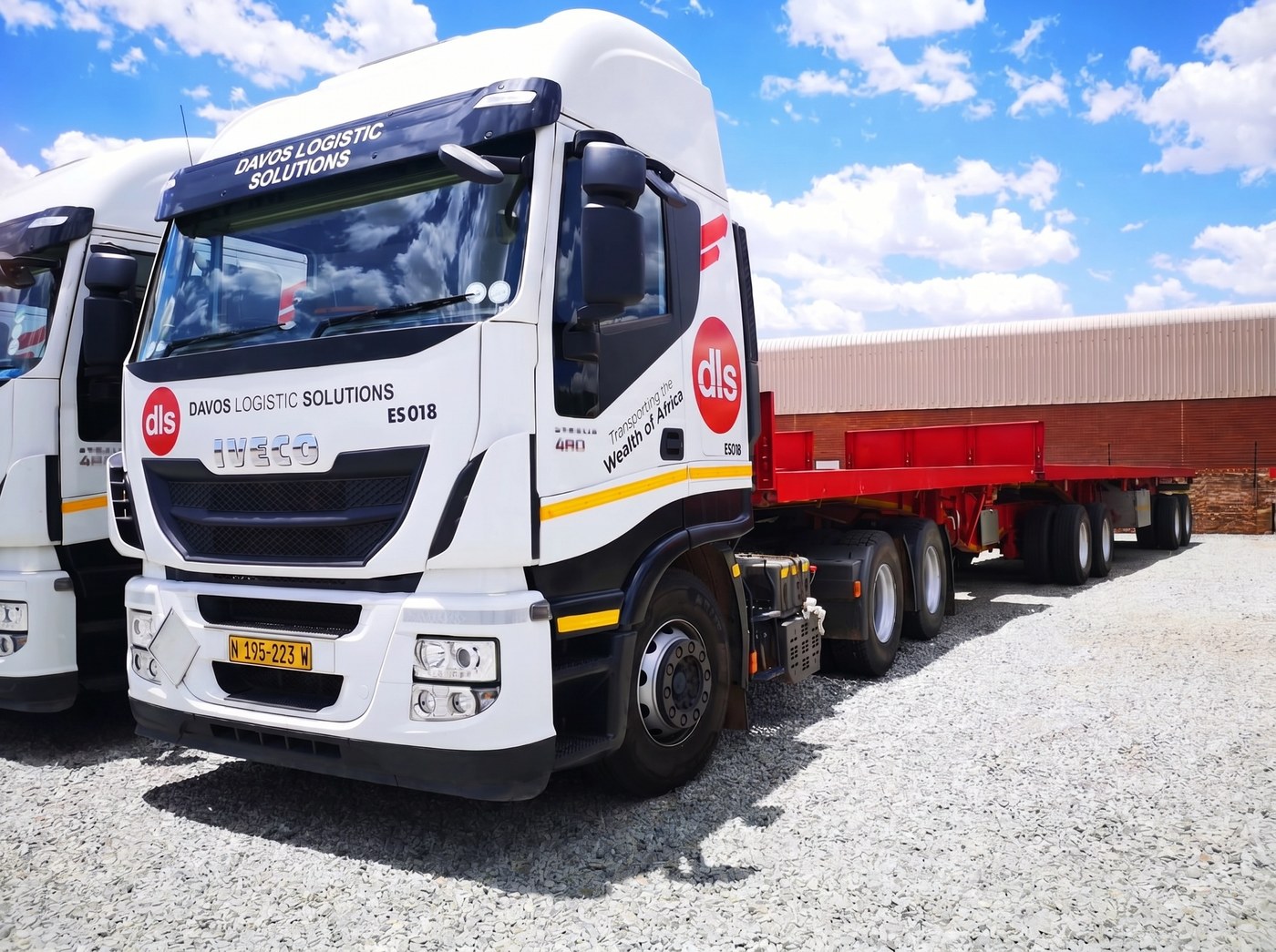
Iveco, Hino, MAN. Henred Fruehauf and Paramount trailers. Every asset dangerous-goods rated and tracked 24/7 via Cartrack.

Fleet Breakdown

Full Fleet Specification

Vehicle Type Capacity Units Service Line
Super-link Flatbed
18m loading space
34 tonnes 10 Heavy Haul & Corridor
Super-link Tautliner
18m loading space
34 tonnes 5 FMCG & Corridor
Tri-axle Reefer
15m loading space
28 tonnes 2 Refrigerated Transport
Tri-axle Flatbed
15m loading space
28 tonnes 2 Heavy Haul Support
Medium Trucks
Curtain / Dropside
4-10 tonnes 6 FMCG Regional
Mini Trucks
Last-mile delivery
1.3 tonnes 5 Urban & Last-mile

Truck brands: Iveco 440 Trakker, Iveco 480 Stralis, Hino 700, MAN  ·  Trailer brands: Henred Fruehauf, Paramount Trailers

Tracking & Compliance

Every Asset. Every Journey.
Full Visibility.

Cartrack 24/7 Monitoring

Every vehicle tracked in real-time. Location, speed, driver behaviour, and geo-fence alerts monitored continuously. Tracking access and trip reporting available to clients on request.

Dangerous Goods Rated

All 30 vehicles dangerous-goods rated and certified for hazardous material transport. Covers mining reagents (sulphur, lime, caustic soda), chemical inputs, and DG-classified cargo on all active corridors.

Manufacturer Service Contracts

All fleet maintenance managed under manufacturer service contracts including the Iveco and You programme. Factory-trained technicians, guaranteed parts availability, on-route support. 30-day mobilisation from contract award.

Fleet Gallery

Our Fleet in the Field

DLS Fleet
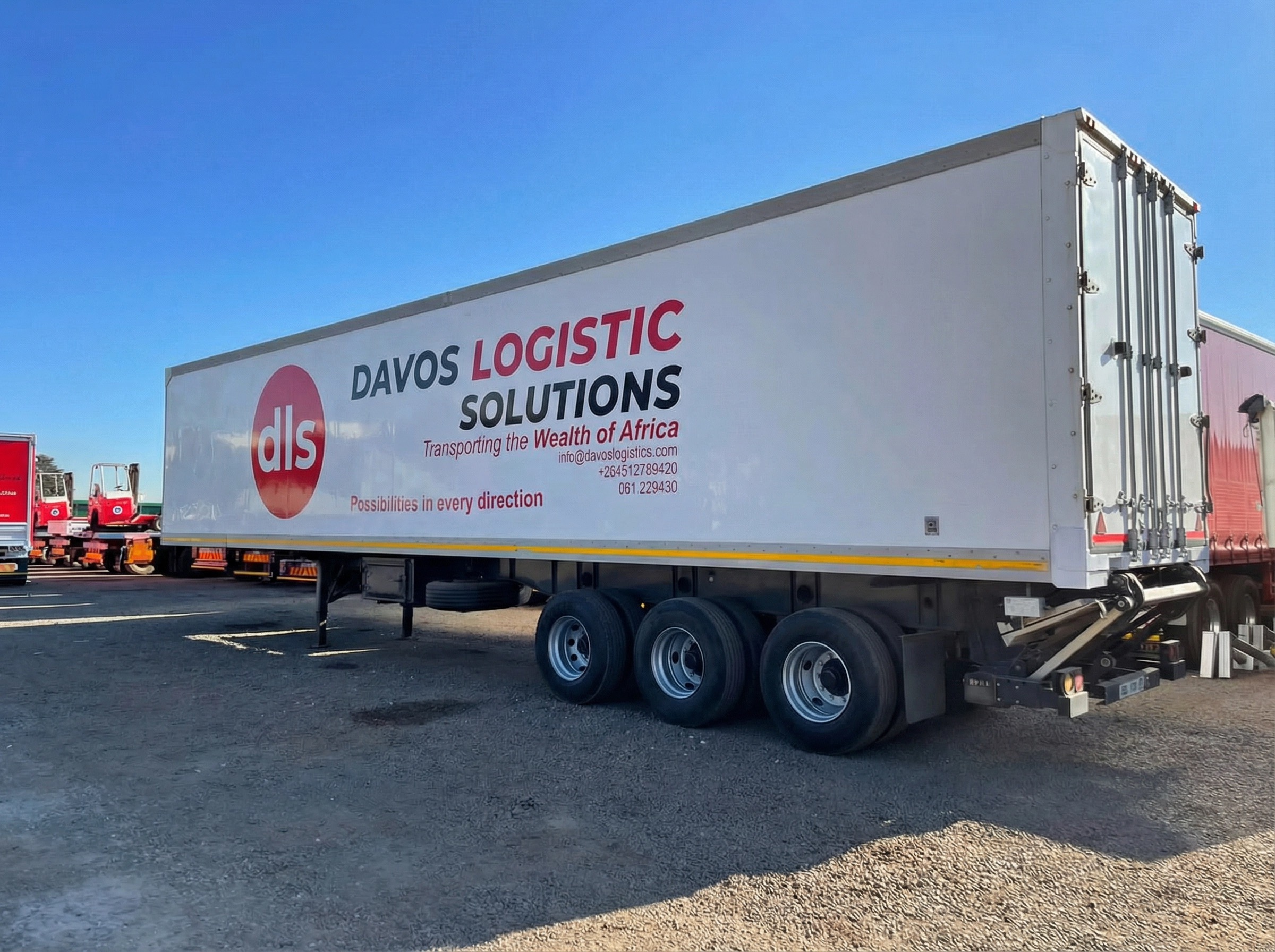
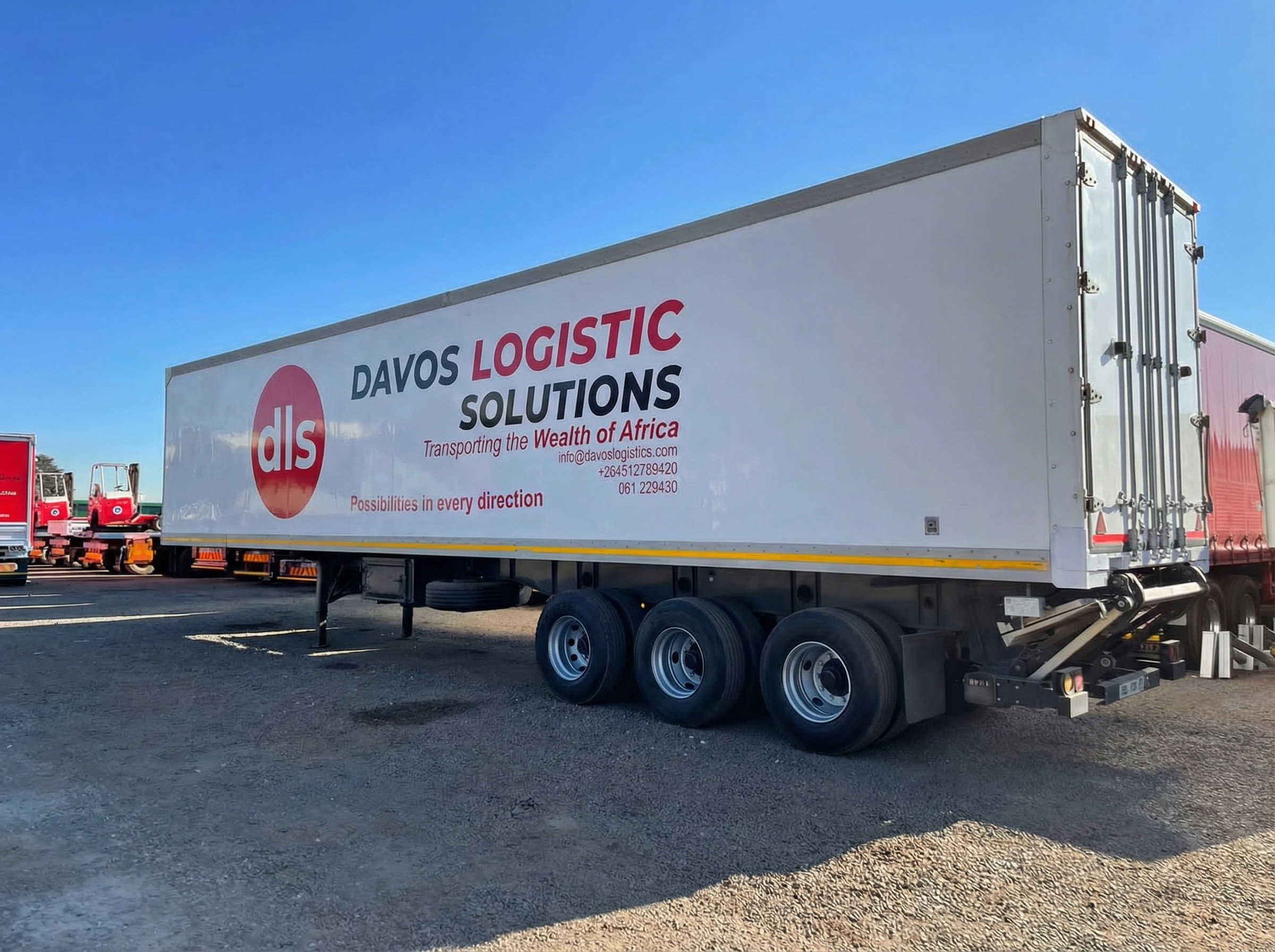
DLS Trailer
DLS Operations
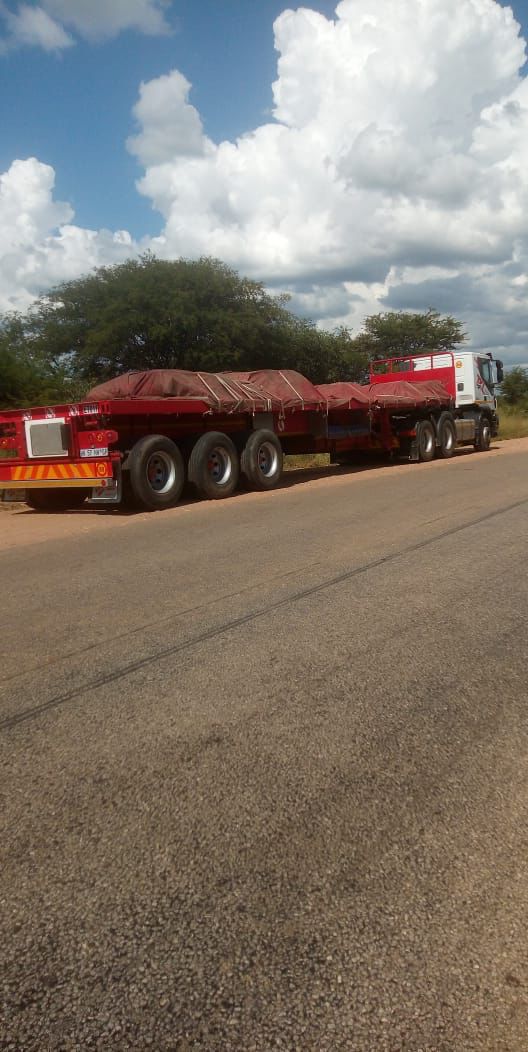
DLS Flatbeds
DLS on Corridor
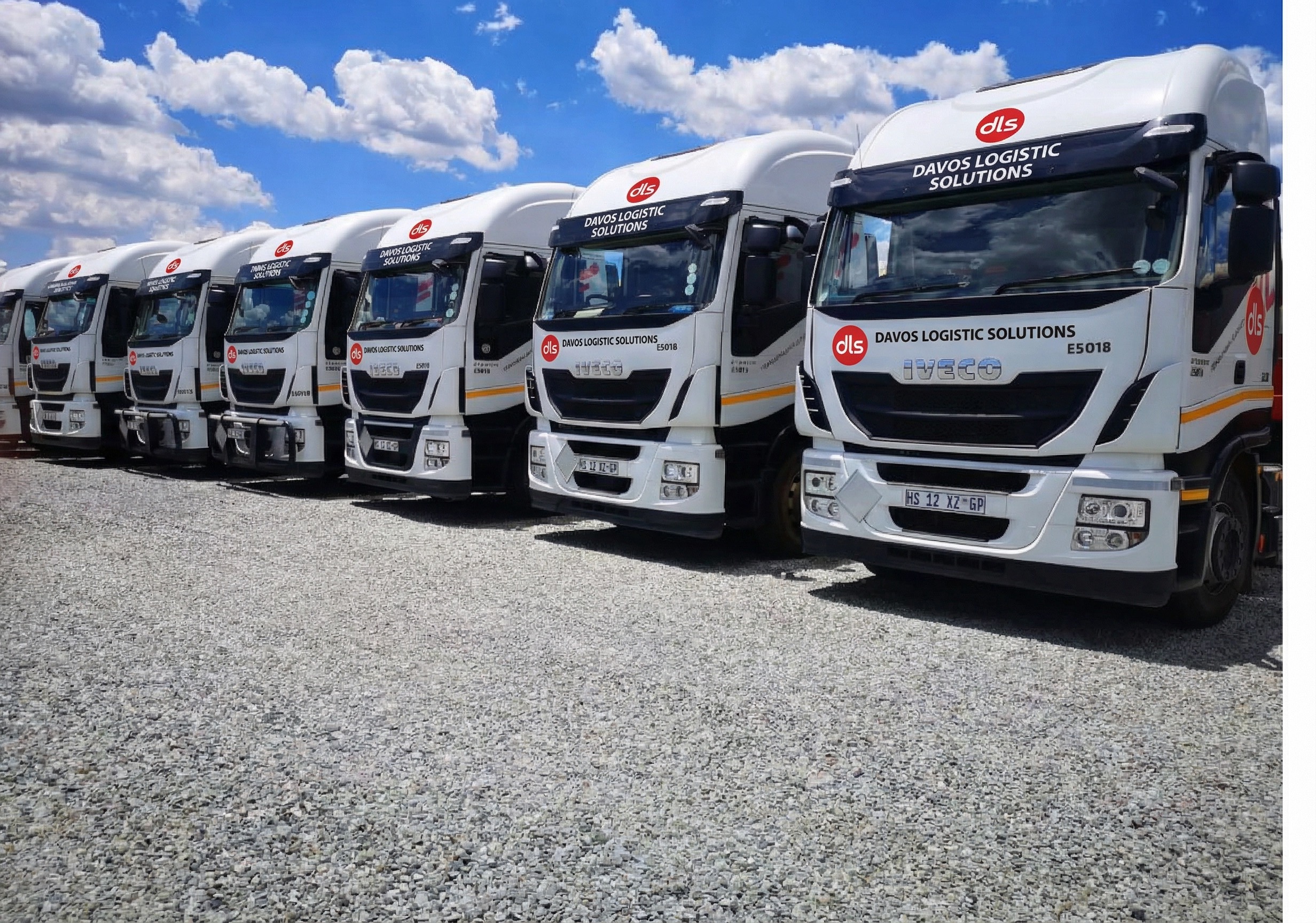
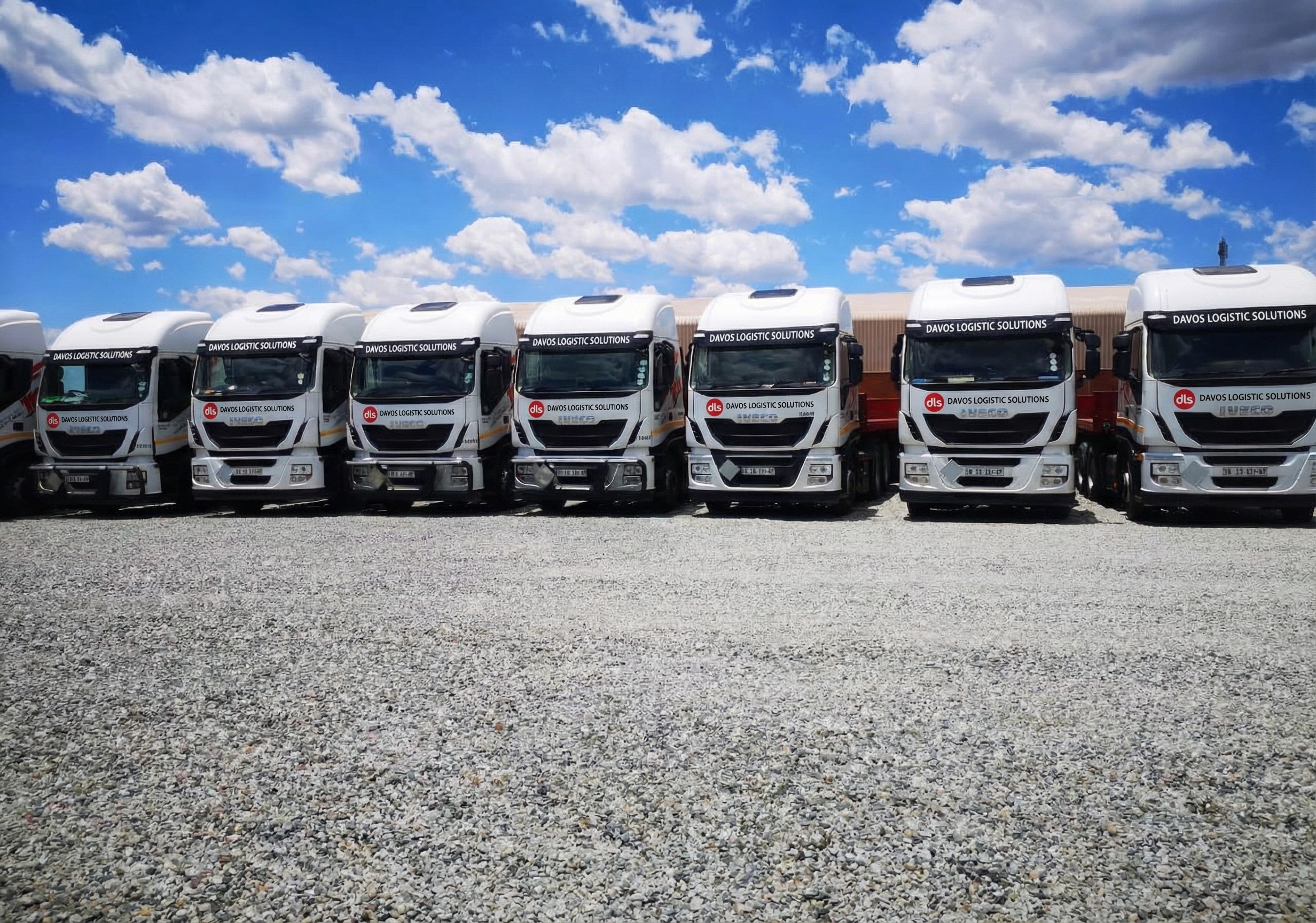
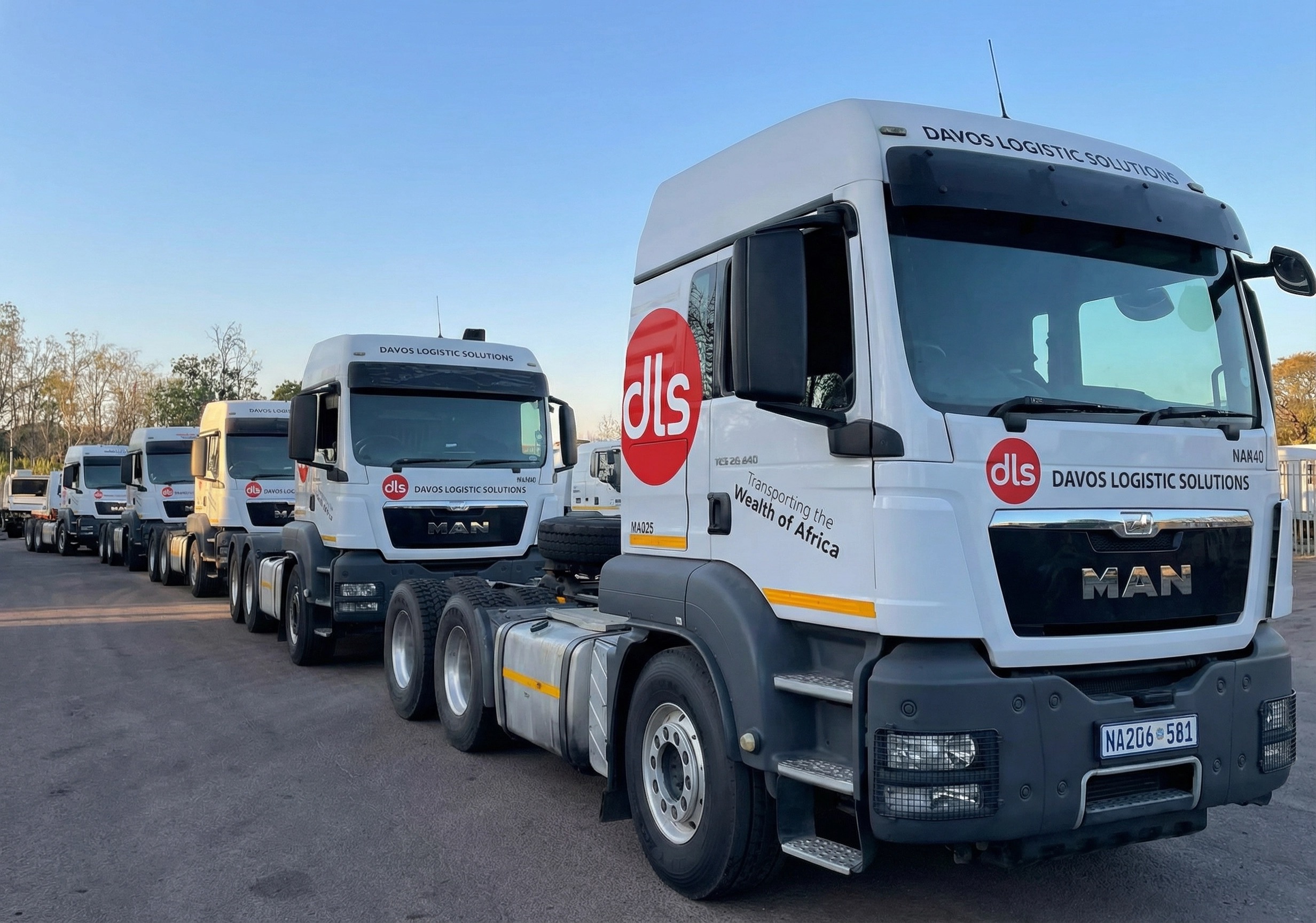
DLS Fleet Lineup
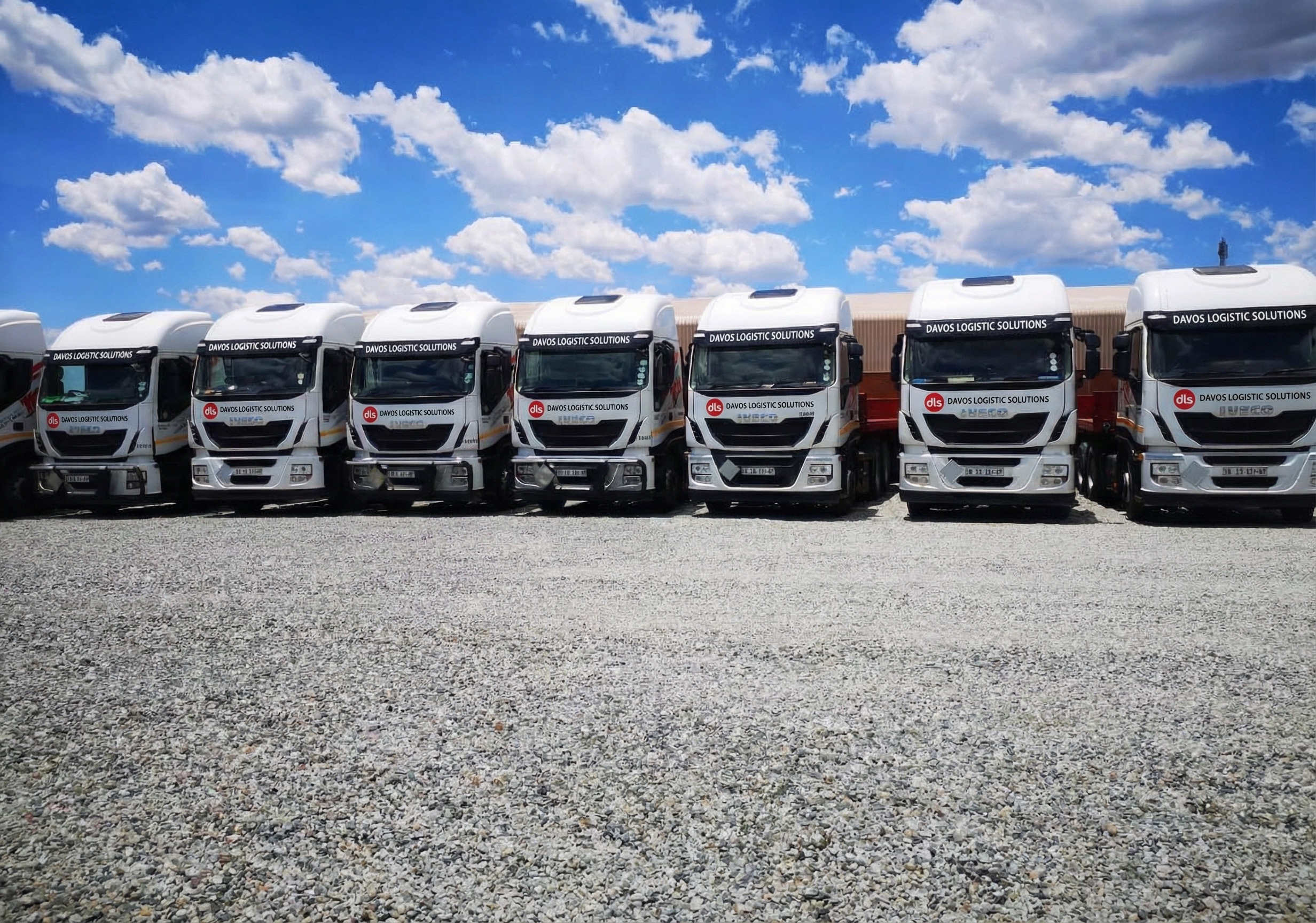
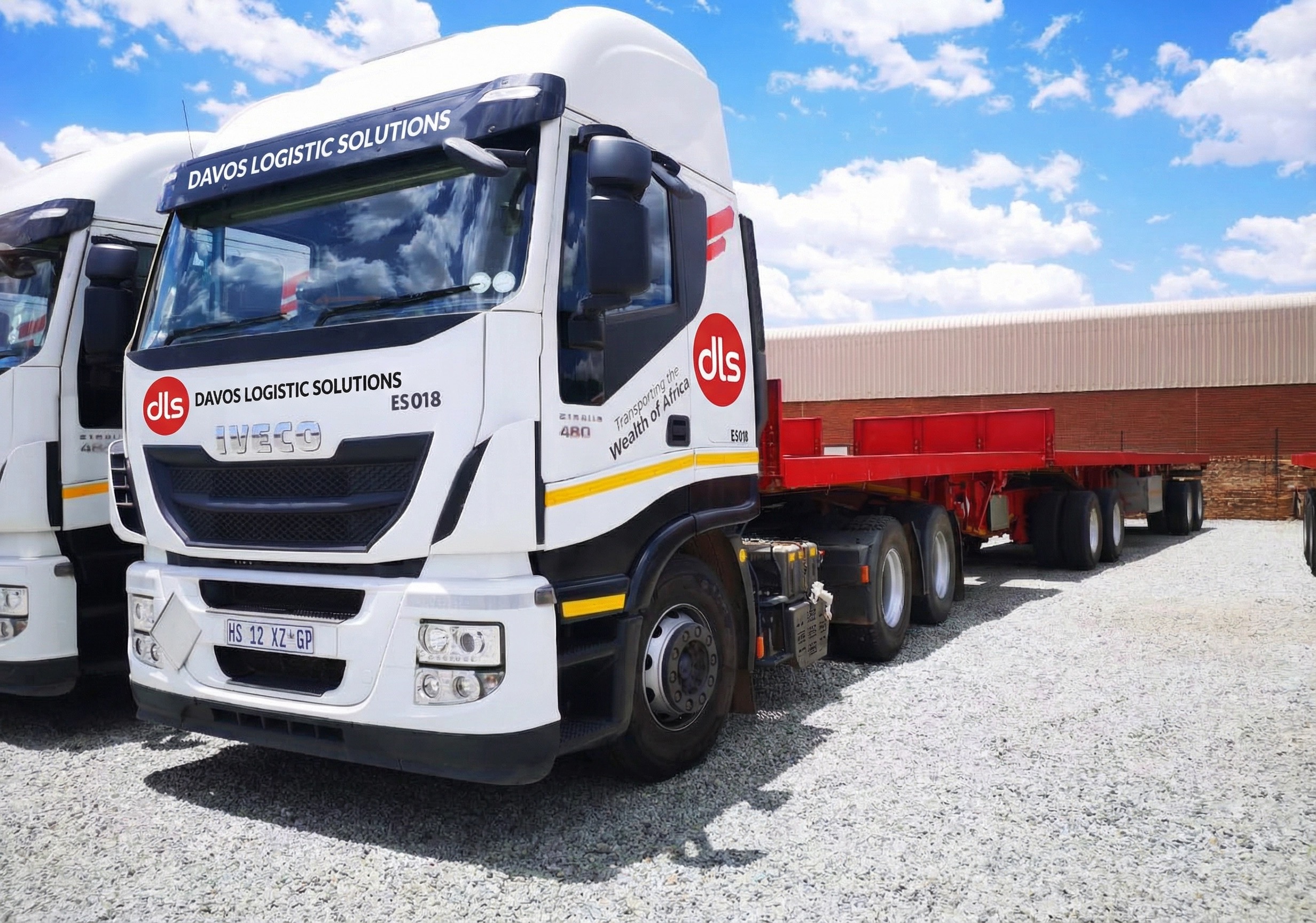
DLS Iveco E5018 Fleet
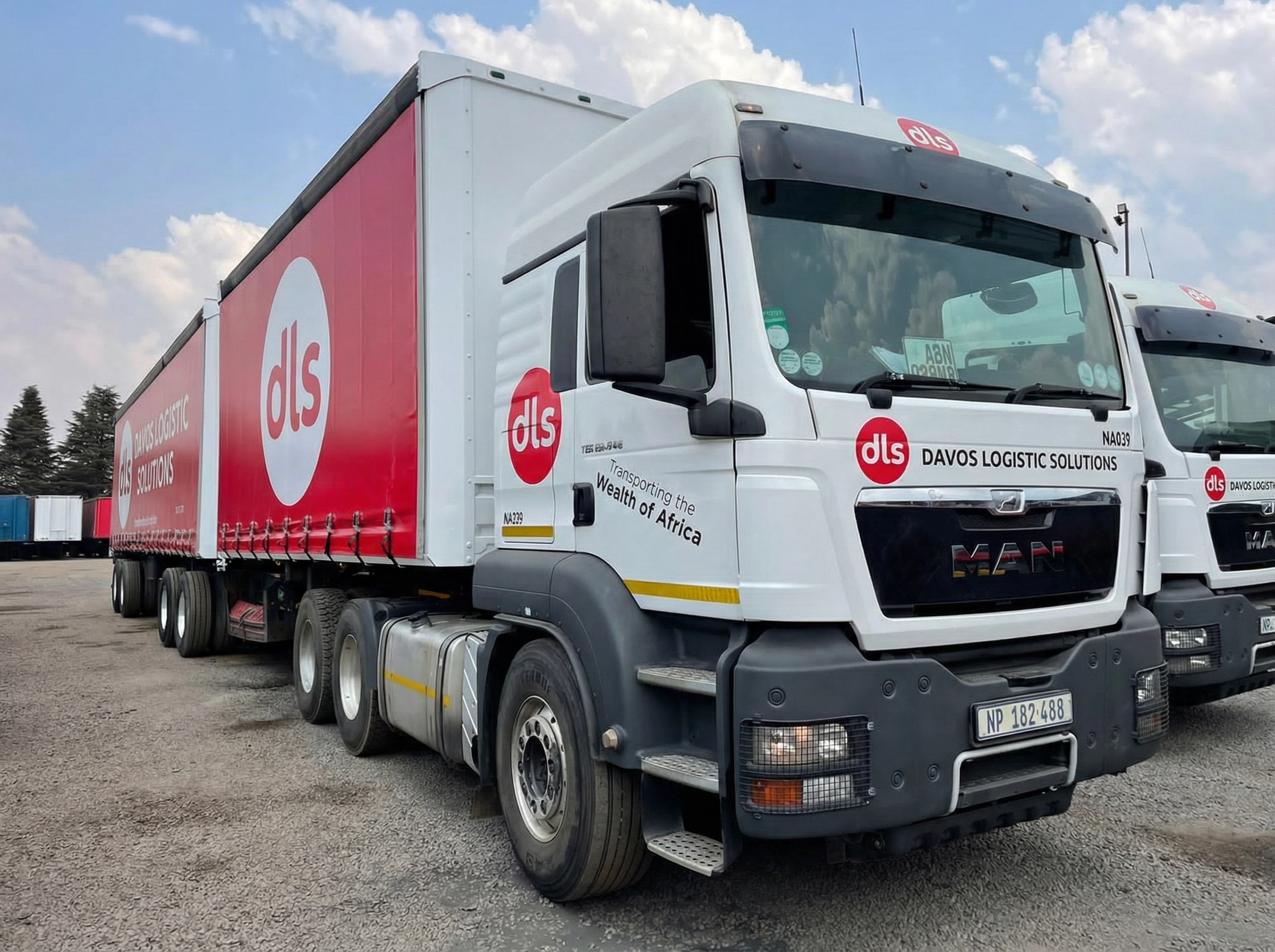
DLS MAN Fleet Lineup
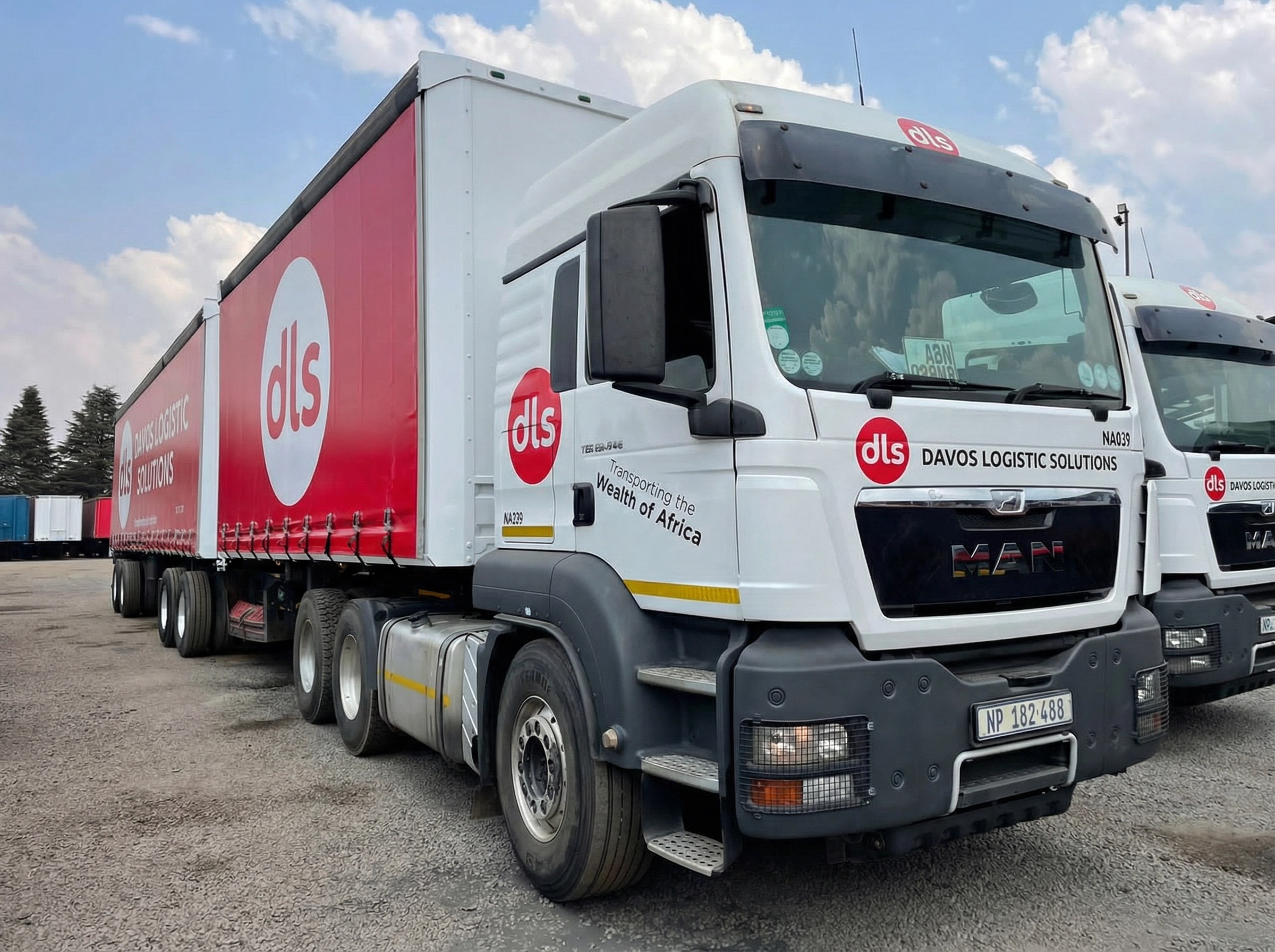
DLS MAN Curtain Trailer
DLS Iveco ES018 Flatbed
Clients

Trusted by Namibia's
Leading Brands

Our client base spans FMCG multinationals, state-owned enterprises, parastatal organisations, and regional freight aggregators. The relationships listed are active, not historical.

Client Portfolio

Our Clients

Each logo below represents an active freight relationship - not historical credentials. These are the brands and institutions DLS is moving cargo for today.

Namibia Breweries Limited
Meatco Namibia
Coca-Cola Namibia
Imperial Logistics
CIC Holdings
FP Du Toit Transport
SkyNet Worldwide Express
City of Windhoek
Namcol
AMTA
Namibia Institute of Pathology
Kambwa Trading CC
Sectors

Sectors We Serve

🥤

FMCG & Beverages

Global beverage multinationals, Namibian FMCG distributors, consumer goods importers

🥩

Cold Chain & Meat

State-owned meat processing exporters, agricultural trading agencies

🏛️

Government & Parastatal

Municipal authorities, national educational institutions, health logistics entities

⛏️

Mining & Resources

Mining input logistics, mineral concentrate backhaul, Copperbelt corridor operations

🚚

Logistics Partners

Regional logistics principals, cross-border freight operators, courier networks

Case Studies

Operational Track Record

Cold Chain | Meat Processing

Cold Chain Continuity Under Pressure

A Namibian state-owned meat exporter needed a replacement reefer unit within hours after their provider broke down. 22 tonnes of export-grade beef at risk, 36-hour vessel loading window.

DLS mobilised within 4 hours. Cargo delivered to Walvis Bay with 2 hours to spare. The client formalised a standing reefer arrangement the following week.
FMCG | Beverages | Nationwide

Distribution Network Rebuild After Carrier Exit

A global beverage multinational's primary logistics provider exited Namibia with 60 days notice. 14 delivery points across Namibia needed to be absorbed immediately - during peak trading.

DLS completed route assessment in 48 hours, ran parallel pilot for 2 weeks, then took over fully. Zero shelf-availability disruption through the transition.
Corridor | Cross-border | Zambia

Cross-border Project Cargo: Copperbelt Corridor

A mining supply company needed to move specialised equipment from Walvis Bay to Ndola within a tight project window, requiring DG compliance and customs documentation management at three border crossings.

DLS managed full documentation in-house, deployed a super-link flatbed with DG-rated crew, and delivered within the project window without subcontracting any leg of the route.
Government | Last-mile | Namibia

Government FMCG Distribution: Remote Centres

A parastatal organisation required reliable delivery to remote educational institutions across northern Namibia - routes that most operators deprioritise due to distance and road conditions.

DLS deployed medium trucks on dedicated run-sheets with POD documentation. On-time delivery rate exceeded 96% across the contract period.
Partner With Us

Reliable Haulage Capacity
When You Need It

DLS is a qualified haulage partner for freight aggregators and logistics principals operating on Namibia, Zambia, and DRC corridors. We offer consistent capacity, compliance documentation, and Namibian-registered fleet on the routes that matter.

What We Offer Partners

Qualified Capacity on SADC Corridors

If you are a freight aggregator, logistics principal, or 3PL operator with cargo moving on the Walvis Bay to Copperbelt corridor, the RSA-Namibia lane, or in-country Namibia distribution, DLS can provide:

Namibian-Registered Fleet Capacity

30 vehicles available on short notice. No single-point-of-failure on any active corridor. Super-links, reefers, tautliners, and medium trucks matched to cargo type and route.

Dangerous Goods Certified

All 30 vehicles dangerous-goods rated and certified. Active SADC transit permits and established border crossing relationships at Ariamsvlei, Ngoma, Kazungula, and Kasumbalesa.

Real-Time Tracking Access

Cartrack 24/7 satellite monitoring on all assets. Tracking access and trip reporting shared directly with your operations desk. Proof of delivery and chain-of-custody documentation standard.

Full Documentation Management

SADC transit documentation managed in-house. Customs clearance, transit permits, and border protocols handled without subcontracting. Available within 30 days from contract or framework award.

Dedicated Operations Desk

Direct contact with DLS operations management - not a call centre. Driver briefings, position updates, and issue resolution handled at management level.

30-Day Mobilisation

From contract or framework award to first deployment in 30 days or less. Compliance documentation, driver briefings, and route protocols confirmed before first load.

Our Compliance Profile

Built for Formal Procurement Processes

For aggregators and principals running formal supplier qualification processes, DLS maintains full compliance documentation available on request for KYC, supplier onboarding, and tender submissions.

Dangerous Goods Certified

All 30 vehicles. Mining reagents, chemical inputs, DG-classified cargo on all active corridors.

Cartrack 24/7 Satellite Monitoring

All 30 vehicles. Location, speed, driver behaviour, and geo-fence alerts continuously monitored.

Manufacturer Service Contracts

Iveco and You programme. Factory-trained technicians, guaranteed parts availability, on-route support.

Full SADC Transit Documentation

Managed in-house on all cross-border corridors. Clearing agent relationships at all active border posts.

Driver Training & Code of Conduct

Active programme across all drivers. DG handling protocols, border crossing procedures, and client reporting standards.

Dual Registration: Namibia & RSA

Namibian-owned. South Africa-registered. Operating from Windhoek and Rosebank, Johannesburg.

Who This Is For

Ideal Haulage Partner For

  • International freight aggregators with SADC-origin cargo needing Namibian-registered haulage on the Walvis Bay to Copperbelt corridor.
  • 3PL operators managing mining logistics on the Walvis Bay to Copperbelt or DRC corridor who need DG-certified backhaul capacity.
  • Clearing agents at Walvis Bay requiring a reliable haulage referral network for their shipper clients.
  • Enterprise clients transitioning from a primary carrier and needing immediate fleet capacity with full compliance documentation.
  • Logistics principals - including Reload, AGL, Imperial, AUC - with overflow demand on the RSA-Namibia lane or in-country Namibia distribution.

Start a Haulage Partnership Conversation

Send us your route, cargo type, volume estimate, and timeline. We will respond within 24 hours with our availability, a rate indication, and compliance documentation.

FAQ

Frequently Asked Questions

Everything you need to know about DLS, our corridors, fleet, compliance, and how to start a freight engagement.

About DLS

Who is Davos Logistic Solutions?+
Davos Logistic Solutions (DLS) is a Namibian road freight operator running FMCG distribution, cold chain transport, cross-border freight between South Africa and Namibia, and corridor freight from Walvis Bay into Zambia and the DRC Copperbelt. The company operates 30 vehicles and is headquartered in Windhoek, Namibia with an office in Rosebank, Johannesburg.
Where is DLS registered?+
DLS is registered in both Namibia and South Africa. Our Windhoek headquarters manages fleet operations, FMCG distribution, and refrigerated transport across Namibia. Our Rosebank, Johannesburg office manages RSA-Namibia cross-border operations and growing in-country South African freight activity.
How many vehicles does DLS operate?+
DLS operates 30 vehicles across all service lines: 10 super-link flatbeds, 5 super-link tautliners, 2 tri-axle reefers, 2 tri-axle flatbeds, 6 medium trucks, and 5 mini trucks. Truck brands include Iveco 440 Trakker, Iveco 480 Stralis, Hino 700, and MAN.
Are all DLS vehicles dangerous-goods rated?+
Yes. All 30 DLS vehicles are dangerous-goods rated and certified for hazardous material transport. This covers mining reagents (sulphur, lime, caustic soda), chemical inputs, and other DG-classified cargo on all active corridors.
Does DLS track its vehicles in real time?+
Yes. Every vehicle in the DLS fleet is tracked 24/7 via Cartrack. Location, speed, driver behaviour, and geo-fence alerts are monitored continuously. For clients moving high-value cargo, DLS can provide tracking access and trip reporting on request.
Who are DLS's main clients?+
DLS's client base includes Namibia Breweries (Heineken), Meatco Namibia, Coca-Cola Namibia, Imperial Logistics, CIC Holdings, FP Du Toit Transport, SkyNet Namibia, City of Windhoek, Namcol, AMTA, Namibia Institute of Pathology, and Kambwa Trading. All listed relationships are current and active.

Services & Fleet

What services does DLS offer?+
DLS runs three service lines: (1) Heavy Haul and Corridor Freight - super-link flatbeds on the Walvis Bay to Copperbelt and DRC corridors; (2) FMCG Distribution and RSA-Namibia Cross-border - daily routes, dedicated protocols; (3) Refrigerated Transport - cold chain for meat processing and agri-produce across Namibia.
Can DLS handle refrigerated cargo?+
Yes. DLS operates a dedicated reefer fleet - 2 tri-axle reefers at 28 tonnes each - for Namibia's meat processing and agricultural sector. We run refrigerated loads for Meatco Namibia and AMTA between Windhoek, Walvis Bay, and Cape Town. Temperature monitoring is in place on all refrigerated runs.
How quickly can DLS be mobilised?+
DLS guarantees 30-day mobilisation from contract award to first deployment. For emergency cargo (such as time-sensitive cold chain or breakdown replacements), DLS has historically responded within 4-24 hours. Contact us directly for urgent requirements.

Corridors & Cross-border

What corridors does DLS operate?+
DLS operates four active corridors: (1) Walvis Bay to Ndola / Kitwe - Zambia Copperbelt, ~12 days transit; (2) Walvis Bay to Lubumbashi / Kolwezi - DRC, ~16 days transit; (3) Johannesburg to Windhoek via Trans-Kalahari Corridor, ~2 days; (4) In-country Namibia FMCG distribution from Windhoek to all major centres.
Does DLS operate in the Zambia Copperbelt?+
Yes. DLS operates the Walvis Bay to Copperbelt corridor, moving mining inputs and FMCG northbound and copper cathode and concentrate southbound. Transit time is approximately 12 days to Ndola. The route is active - DLS is currently moving cargo on it.
Does DLS operate into the DRC?+
Yes. DLS operates into Lubumbashi and Kolwezi in the DRC with the same compliance and tracking protocols as the Zambia corridor. Transit time is approximately 16 days via the Trans-Caprivi corridor and Kasumbalesa border (Zambia/DRC).
Does DLS manage its own border documentation?+
Yes. DLS manages SADC transit documentation for all cross-border movements in-house. This includes customs clearance documentation, transit permits, and border protocols. We work with established clearing agents at Walvis Bay and at all active border posts: Ariamsvlei, Ngoma, Trans-Caprivi, Kazungula Bridge, and Kasumbalesa.

Working With DLS

How do I request a freight quote?+
Fill in the quote request form on our Contact page. Provide your cargo type, origin, destination, estimated weight or volume, and preferred collection date. DLS will respond within 24 hours with availability, a rate indication, and relevant compliance documentation.
Can I contact DLS via WhatsApp?+
Yes. DLS is available on WhatsApp at +264 851 296 238. WhatsApp is commonly used for logistics procurement in Namibia and DLS responds actively. You can also use the floating WhatsApp button on this website to open a direct chat.
Can DLS provide compliance documentation for supplier onboarding?+
Yes. DLS maintains full compliance documentation for KYC, supplier onboarding, and tender submission processes. This includes DG certificates, Cartrack tracking confirmation, maintenance contract documentation, and SADC transit permit records. Contact us to request a compliance pack.
Does DLS work with freight aggregators and 3PLs?+
Yes. DLS operates as a haulage partner for freight aggregators, logistics principals, and 3PL operators. We offer qualified Namibian-registered fleet capacity, DG certification, and SADC transit documentation. See our Partner With Us page for details or contact us directly to discuss a haulage framework.
Where are DLS offices located?+
DLS has two offices: Headquarters at ERF 8216, Nguni Street, Windhoek, Namibia (+264 851 296 238 | info@davoslogistic.com), and a South Africa office at The Link Building, 1F, 173 Oxford Rd, Rosebank, Johannesburg, 2196.
Still Have Questions?

Talk to the DLS Team Directly

We're a logistics company, not a contact centre. You'll speak to someone who knows the routes.

Contact

Let's Move Your Cargo

Tell us what you need to move and where. We'll respond within 24 hours with availability, a rate indication, and the relevant compliance documentation.

Get In Touch

Windhoek - Headquarters

Davos Logistic Group (Pty) Ltd

ERF 8216, Nguni Street

Windhoek, Namibia

Johannesburg - RSA Office

Davos Logistic Group (Pty) Ltd

The Link Building, 1F

173 Oxford Rd, Rosebank, 2196

South Africa

30-Day Mobilisation Guarantee

From contract award to first deployment in 30 days or less.

Follow Us

Request a Freight Quote

Fill in your cargo details and we'll respond within one business day. For urgent freight, call us directly on +264 851 296 238.

Quote Request Received

Our team will review your cargo details and respond within one business day. For urgent freight, call +264 851 296 238 directly.

Real Freight. Real Outcomes.

Case Studies

10 freight challenges across Namibia and the SADC corridor. Each case study documents the situation, what DLS did, and the outcome delivered.

01 Cold Chain Recurring Contract

Cold Chain Continuity Under Pressure

Refrigerated Transport · Meat Processing · Windhoek to Walvis Bay

A Namibian state-owned meat processing company exporting beef to European markets. The company operates an abattoir in Windhoek and manages its own export scheduling through Walvis Bay port.

The client's reefer transport arrangement failed mid-contract when their provider experienced a breakdown on a critical export shipment. With a vessel loading window of 36 hours and 22 tonnes of export-grade beef at risk, they needed a replacement reefer unit and driver available immediately.

DLS mobilised a tri-axle reefer within four hours of the call. We verified temperature requirements with the client's logistics manager, confirmed pre-cooling of the trailer, and dispatched with a Cartrack tracking link shared directly with their export team. The driver completed the run with two hours to spare before the vessel loading window closed.

Outcome

22 tonnes of export-grade beef delivered to Walvis Bay within the vessel loading window. Export shipment proceeded as scheduled. The client formalised a standing reefer arrangement with DLS the following week.

02 FMCG Active Engagement

FMCG Distribution Network Rebuild After Primary Carrier Exit

FMCG Distribution · Beverages · Nationwide Namibia

A Namibian subsidiary of a global beverage multinational operating across all major Namibian retail centres, covering 14 delivery points from Windhoek to Katima Mulilo.

The client's primary logistics provider exited their Namibia contract as part of a group restructuring. With the departure effective within 60 days, the client needed to transition their nationwide distribution network without disrupting shelf availability during the peak pre-holiday trading period.

DLS conducted a route-by-route assessment within 48 hours of the briefing, proposed a distribution structure using four medium trucks and two tautliners in rotation, and ran a parallel pilot alongside the outgoing carrier for two weeks before taking over fully.

Outcome

Full transition completed within the 60-day window. Zero stockouts recorded across all 14 delivery points during the transition period. The client has since extended the distribution scope to include additional SKUs.

03 Heavy Haul Completed

Cross-border Project Cargo: Mining Equipment to the Copperbelt

Heavy Haul · Mining Logistics · Walvis Bay to Ndola, Zambia

An international freight forwarder managing equipment delivery for a copper mining operation in the Zambia Copperbelt. The forwarder handles cargo from multiple origin countries into SADC, with Walvis Bay as their primary Atlantic gateway.

The forwarder's appointed haulage contractor withdrew two days before planned departure, citing permit complications on the Trans-Caprivi corridor. Heavy mining equipment including a conveyor belt system and structural steel needed to reach Ndola within a 5-day timeline.

DLS assessed the cargo manifest, initiated the SADC transit permit process within 24 hours, and deployed two super-link flatbeds. We provided real-time tracking access and a daily position update to the forwarder's operations desk.

Outcome

Equipment delivered to Ndola on day 14 from Walvis Bay. No permit delays encountered. The forwarder subsequently listed DLS as an approved carrier for Walvis Bay-originating cargo on their SADC panel.

04 Cold Chain Completed

Emergency Pharmaceutical Transport: Windhoek to Regional Hospitals

Medical & Pharmaceutical · Cold Chain · In-country Namibia

A Namibian government health logistics entity responsible for distributing medical supplies to regional hospitals across the country.

A critical shipment of temperature-sensitive pharmaceutical products including vaccines and biologics arrived at central medical stores without transport in place. Delivery to six regional hospitals was required within 48 hours to maintain cold chain integrity and avoid product expiry.

DLS deployed a reefer unit with continuous temperature logging. We coordinated a single-day circuit covering Windhoek, Otjiwarongo, Otavi, Tsumeb, Oshakati, and Ondangwa, with a delivery manifest signed at each hospital.

Outcome

All six hospitals received their pharmaceutical allocations within the 48-hour window. Temperature integrity maintained throughout. DLS was added to the client's approved transport panel for temperature-sensitive medical cargo.

05 Heavy Haul Active Engagement

Backhaul Optimisation on the Walvis Bay to Copperbelt Route

Heavy Haul · Copper Concentrate · Ndola to Walvis Bay

A Zambian copper smelter with a regular requirement to move copper cathode plates southbound to Walvis Bay for vessel loading. Volume: 3 to 4 loads per month of approximately 28 to 32 tonnes.

The smelter was experiencing variable transit times, documentation errors at Kasumbalesa border, and cargo security incidents. They needed a reliable southbound copper cathode carrier with active corridor documentation experience.

DLS proposed integrating the southbound copper cathode movement with our existing northbound corridor operations, creating a backhaul arrangement that reduced unit cost for both parties. We established a dedicated trailer assignment and provided tracking access.

Outcome

First load completed without incident. Transit time: 11 days Ndola to Walvis Bay, within the client's vessel booking window. The arrangement has since been formalised on a monthly schedule.

06 Heavy Haul Completed

Oversized Load: Construction Equipment for Dam Rehabilitation

Heavy Haul · Oversized Cargo · Johannesburg to Northern Namibia

A South African infrastructure contractor engaged in a dam rehabilitation project at a remote site in northern Namibia near Ruacana. Their regular South African provider had no Namibia-registered fleet or active cross-border permits.

The contractor needed to move excavation and pumping equipment including a tracked excavator base and a large diameter submersible pump system. The cargo required abnormal load permits through the Roads Authority of Namibia.

DLS coordinated the load assessment, arranged the required abnormal load permit through Roads Authority of Namibia, deployed a super-link flatbed with additional lashing points, and briefed the driver on permit restrictions and route conditions through Otavi and Tsumeb.

Outcome

Equipment delivered to the project site within the contractor's programme schedule. Abnormal load permit compliance maintained throughout. DLS cited as preferred Namibia-registered carrier for remaining equipment movements.

07 Government Recurring Annual

Annual Study Material Distribution Across All 14 Namibian Regions

Government & Education · Container Distribution · Windhoek to All Namibian Centres

A Namibian state-owned distance learning institution with a student base spread across all 14 regions. They needed a single carrier capable of covering 12 regional distribution points within a 5-day window.

Previous arrangements had produced late deliveries to northern Namibia, creating registration delays for students in Oshana, Kavango, and Zambezi regions. Study materials and examination kits needed to arrive at all 12 points before the academic year registration deadline.

DLS deployed a medium truck for the Windhoek urban circuit and two tautliners for the northern and eastern circuits simultaneously. All containers were sealed at origin and opened only in the presence of a depot manager at destination.

Outcome

All 12 regional distribution points received materials within the 5-day window. No late deliveries. The northern Namibia deliveries - previously the problem leg - were completed on day 3. DLS appointed for the annual materials distribution run.

08 Mining Recurring Contract

Compliance Transition: Dangerous Goods Transport to an Active Mine Site

Mining Logistics · Dangerous Goods · Walvis Bay to Namibian Mine Site

A Namibian copper mining operation requiring regular supply of processing reagents from Walvis Bay port to its on-site processing plant. Any supply interruption directly affects production output.

A compliance audit flagged that the mine's reagent carrier was not dangerous-goods certified. Immediate transition to a DG-rated carrier was required with no interruption to processing operations.

DLS provided DG certificates, vehicle marking confirmation, and driver training records to the mine's SHE manager within 24 hours. We took over the first delivery that week maintaining the existing schedule, with Cartrack tracking and a confirmed delivery protocol for each consignment.

Outcome

Compliance transition completed without any supply interruption. First DG delivery on schedule. The mine's SHE team signed off on compliance documentation within the same week. DLS has been the mine's preferred reagent carrier since.

09 Cross-border Completed

RSA to Namibia: Building Materials for a Multi-Site Retail Rollout

Cross-border · Building Materials · Johannesburg to Windhoek and Regional

A Namibian retail property developer fitting out five new retail sites simultaneously across Namibia - two in Windhoek, one each in Walvis Bay, Oshakati, and Rundu. All five sites needed materials within the same week to align with the contractor programme.

Their previous cross-border carrier quoted a 10-day transit and could not commit to a split delivery schedule. Fit-out materials including racking systems, ceiling tiles, floor finishes, and electrical fittings were consolidated at a Johannesburg depot.

DLS loaded two super-link tautliners at the Johannesburg depot with colour-coded pallets per destination, committed to a delivery sequence reaching Windhoek first, then distributed via two medium trucks pre-positioned in Windhoek. Cross-border transit coordinated at Ariamsvlei for same-day clearance.

Outcome

All five sites received fit-out materials within a 6-day window from Johannesburg loading. Project manager confirmed contractor programme alignment maintained at all sites. No delays to the retail rollout.

10 Government / NGO Completed

Emergency Food Aid Distribution to Flood-Affected Communities

Humanitarian & NGO · Emergency Distribution · Northern Namibia

An international humanitarian organisation coordinating emergency food distribution in Namibia following severe flooding in the Kavango and Zambezi regions.

Food aid pallets needed urgent distribution from a Windhoek warehouse to community distribution points in Rundu, Divundu, Kongola, and Katima Mulilo. Sections of the B8 highway were partially compromised. Commercial carriers were quoting 5 to 7 days. DLS needed to deploy within 48 hours.

DLS deployed a medium truck and a tautliner within 24 hours. Drivers adapted their routes based on real-time road condition reports from community coordinators, completing deliveries via alternative rural roads where the B8 was blocked.

Outcome

All four distribution points received food aid within 4 days of deployment. No loads lost or delayed at any compromised section. The organisation's country coordinator cited DLS's route flexibility and driver responsiveness as critical to the operation.

Ready to Write Your Own Case Study?

Every successful freight engagement starts with a conversation. Tell us your cargo, your corridor, and your timeline.

Get a Quote
Insights

Field Notes from the
Corridors We Run.

Eighteen briefings on Southern African road freight - corridor economics, cargo specialisation, and operational procurement. Written by operators, for operators and procurement leads.

Corridors & Routes

Walvis Bay or Durban for Zambian Copper: A Corridor Economics Comparison

The default Durban export route was set in a different decade. The 2026 corridor question deserves a fresh answer.

Article 01 3 min read
Corridors & Routes

The Trans-Kalahari Corridor: A Procurement Buyer's Guide to the Johannesburg to Windhoek Route

A two day corridor with three jurisdictions, one major border post, and a long list of operational details that separate reliable providers from the rest.

Article 02 2 min read
Corridors & Routes

Kasumbalesa: Why Your DRC Freight Gets Stuck and What Actually Mitigates It

The single biggest chokepoint on the Walvis Bay to DRC corridor is a border post. Understanding why it congests is the first step to avoiding the cost.

Article 03 2 min read
Corridors & Routes

Trans-Caprivi, Ngoma or Wenela: Choosing the Right Zambian Border Crossing

Three crossings, three different operational profiles. The right one depends on your cargo, your destination, and your tolerance for surprise.

Article 04 2 min read
Corridors & Routes

The Lobito Corridor Question: Should Namibian Freight Operators Be Paying Attention

A new corridor that promises to reroute Zambian copper through Angola. The headline is dramatic. The operational reality is more nuanced.

Article 05 2 min read
Cargo & Sectors

Dangerous Goods Transport in SADC: Compliance Benchmarks for Mining Inputs and Chemical Cargo

Dangerous goods is where freight providers separate sharply. The certification is one thing. The operational discipline is another.

Article 06 2 min read
Cargo & Sectors

Backhaul Economics on the Walvis Bay to Copperbelt Route: Why Both Directions Matter

Most long haul corridors run one way and deadhead the other. The Copperbelt route is different. Understanding why changes how the economics work.

Article 07 2 min read
Cargo & Sectors

EV Battery Demand and the Zambian Copper Thesis: Freight Implications Through 2031

Global copper demand is being reshaped by the EV battery transition. For Namibian freight operators, this is not a future story.

Article 08 2 min read
Cargo & Sectors

Cold Chain Logistics in Namibia: The Gap Between Walvis Bay, Windhoek and Cape Town

Cold chain freight is one of the most underserved segments in Namibian logistics. Closing the gap is a discipline question, not a capital question.

Article 09 2 min read
Cargo & Sectors

The Heineken Namibia Distribution Shift: What It Means for FMCG Freight Operators

When a major beverage operator restructures its distribution, the freight implications ripple through the local market. Operators ready for the shift gain. Operators not ready, lose.

Article 10 2 min read
Operations & Procurement

Super-link Flatbeds versus Container Haulage on the Copperbelt Corridor: Why the Format Matters

The flatbed vs container question is one of the most consequential decisions in Copperbelt corridor freight. The answer depends on cargo, not on preference.

Article 11 2 min read
Operations & Procurement

SADC Transit Documentation Explained: What Your Freight Provider Must Handle

Cross border freight is a documentation discipline first and a trucking discipline second. Getting the paper right is what keeps the trucks moving.

Article 12 2 min read
Operations & Procurement

Cartrack and Driver Behaviour Analytics: What Actually Moves Long Haul Uptime

Satellite tracking is universal. What separates operators is what they do with the data once they have it.

Article 13 2 min read
Operations & Procurement

Single Corridor Risk for FMCG Distributors: Why Multi Route Freight Cover Matters

When one corridor fails, the FMCG distributor running on a single route fails with it. Multi route cover is procurement discipline, not freight luxury.

Article 14 2 min read
Operations & Procurement

Last Mile Distribution in Namibia: Oshakati, Rundu, Katima Mulilo and the Cost of Distance

Namibia's northern centres are economically active and underserved by structured distribution. Closing that gap requires fleet discipline, not heroics.

Article 15 2 min read
Operations & Procurement

Walvis Bay Port Capacity 2025 to 2031: Throughput, Congestion and Expansion Implications for Shippers

The port that anchors the corridor is also growing. Understanding the throughput trajectory is part of any corridor decision.

Article 16 2 min read
Operations & Procurement

Cross Border Goods in Transit Insurance: Structuring Cover That Actually Pays Out

Most cross border freight insurance claims fail not because the cover is inadequate, but because the structure was wrong from the start.

Article 17 2 min read
Operations & Procurement

Manufacturer Service Contracts versus In-House Workshop: The TCO Economics

Truck maintenance can run through a workshop or through a manufacturer service contract. The total cost of ownership math is not obvious.

Article 18 2 min read
Corridors & Routes

Walvis Bay or Durban for Zambian Copper: A Corridor Economics Comparison

The default Durban export route was set in a different decade. The 2026 corridor question deserves a fresh answer.

Article 01 of 18 · 3 min read · DLS Field Notes
Insights article 01 hero image

Why this question matters now

Zambia produced 890,000 tonnes of copper in 2025, an 8 percent year on year increase, and has set a national target of 3 million tonnes by 2031. Every tonne moves by road for the first leg of its export journey. For decades the default export route was Durban via Lusaka and either Harare or Lilongwe, then down through Mozambique or directly through South Africa. That default was set when Walvis Bay was a smaller port and the Trans-Caprivi corridor was less developed. The default is now out of date for a large share of shippers.

Distance and transit time

For an exporter in Ndola or Kitwe, the road distance to Walvis Bay is roughly 2,200 kilometres. The road distance to Durban is closer to 2,800 kilometres. Transit time on the Walvis Bay corridor runs about 12 days end to end including border processing at Kasumbalesa or Trans-Caprivi depending on the originating mine. Durban runs longer in normal conditions and materially longer when border posts at Beitbridge or Chirundu congest, which they do regularly during peak export periods. For a shipper running contracted vessel schedules, predictability of transit time is often more valuable than the headline transit number.

Port capacity and dwell time

Walvis Bay handled 8.42 million tonnes in FY2025 and is structured around bulk and project cargo with relatively short vessel turnaround times. Durban handles more total throughput but with materially longer berthing queues and a more complex inland logistics environment. For a copper cathode shipper measuring landed cost into a buyer's smelter or warehouse, dwell time at the port is a real line item, not a footnote. Walvis Bay's deep water access and direct ocean route to Asian and European smelters compresses the seaborne leg of the journey as well.

Cost and risk

Trucking rates are broadly comparable on a per kilometre basis across the two corridors. The differentiator is the cost of capital tied up in cargo that has not reached the buyer, the cost of insurance escalations on longer routes, and the cost of revenue loss from corridor delays. The Walvis Bay corridor passes through three jurisdictions (Namibia, Botswana and Zambia) with predictable customs processes and minimal recent disruption. The Durban corridor depends on multiple ports, multiple border posts and political dynamics that have produced multi week disruption events more than once. For shippers running contracted delivery schedules with European or Chinese buyers, single event disruption risk has a real financial weight.

What to ask a freight provider on this route

Five questions distinguish a corridor specialist from a generalist quoting on the route. First, does the provider own and operate the fleet, or subcontract on the corridor? Second, what is the provider's average actual transit time over the past 12 months, not the marketing number? Third, which border posts has the provider cleared cargo through, and how recently? Fourth, what is the provider's fleet allocation to the route, in vehicles and trailers? Fifth, what is the provider's insurance structure for cross border cargo, including transit cover and named perils? Generalists struggle on all five. Specialists answer all five with operational data.

The DLS position

Davos Logistic Solutions operates the Walvis Bay to Copperbelt corridor with super-link flatbeds for copper cathode and concentrate southbound, and tautliners for mining reagents and project cargo northbound. The route is revenue generating in both directions. Backhaul capacity is built into how the fleet is allocated, not bolted on as an afterthought. The corridor is active, the transit is 12 days, the fleet is matched to the cargo. For most Zambian copper exporters reviewing the corridor question in 2026, those four facts are the starting point.

Operating on this corridor or thinking about it? Talk to the DLS team.

Get a Quote
Corridors & Routes

The Trans-Kalahari Corridor: A Procurement Buyer's Guide to the Johannesburg to Windhoek Route

A two day corridor with three jurisdictions, one major border post, and a long list of operational details that separate reliable providers from the rest.

Article 02 of 18 · 2 min read · DLS Field Notes
Insights article 02 hero image

What the corridor actually is

The Trans-Kalahari Corridor links Johannesburg to Walvis Bay through Botswana and Namibia. It is the primary cross border road freight route between South Africa and Namibia and a designated SADC trade corridor. From a procurement buyer's perspective, the corridor matters because it is the most cost effective route for general freight, consumer goods, building materials and industrial cargo moving between the two countries. Transit time runs around two days end to end under normal conditions, with the main border crossing at Ariamsvlei between South Africa and Namibia.

The Ariamsvlei border experience

Ariamsvlei is a 24 hour border post on the South African side and Noordoewer is the equivalent post on the Namibian side. The crossing is generally efficient compared to other regional border posts, with the main delays coming from documentation issues rather than queue length. Documentation that should be in order before arrival: SAD500 export declaration, commercial invoice with detailed cargo description, packing list, insurance certificate, transporter manifest, and where applicable, dangerous goods documentation. A clean documentation pack typically clears within two to four hours. An incomplete pack can extend the crossing by 24 hours or more.

Where shipments actually get delayed

The biggest source of avoidable delay on the corridor is not the border itself. It is the documentation chain in the weeks before the cargo moves. Three failure modes recur. First, mismatched cargo descriptions between the invoice and the manifest. Second, incorrect HS codes that trigger customs queries. Third, missing certificates of origin for goods subject to SADC tariff preferences. Each of these adds hours or days. A freight provider managing the corridor properly catches these in the booking stage, not at the border.

What good fleet allocation looks like

The corridor handles a wide cargo mix. FMCG and consumer goods typically move in tautliners. Building materials and steel typically move in flatbeds. Refrigerated cargo requires tri-axle reefers with temperature monitoring on the full route. A serious operator allocates a dedicated fleet pool to the corridor with planned rotation so that backhaul is not an emergency scramble. DLS runs five super-link tautliners on this route plus medium and light fleet for last mile distribution at either end.

Cost benchmarks

Per kilometre cost on the corridor varies with fuel, fleet age, insurance structure and the operator's overhead. The total cost to ship a 34 tonne load from Johannesburg to Windhoek includes the trucking rate, fuel, driver allowances, border processing fees, transit insurance and any clearing agent fees at the border. Buyers asking only for a per kilometre or per load price miss the structure. The right question is total landed cost into the warehouse, with all fees itemised.

What to ask before awarding the route

Before contracting a provider on the Trans-Kalahari, ask four questions. What is the provider's monthly load volume on the corridor over the past 12 months? How many of those loads cleared Ariamsvlei within six hours of arrival? What is the operator's documentation pack and at what point in the booking cycle is it finalised? What is the operator's contingency plan if a vehicle experiences a breakdown between Lobatse and Gobabis? Operators who can answer these from operational data are running the corridor as a business. Operators who can not, are running it as a passenger.

Operating on this corridor or thinking about it? Talk to the DLS team.

Get a Quote
Corridors & Routes

Kasumbalesa: Why Your DRC Freight Gets Stuck and What Actually Mitigates It

The single biggest chokepoint on the Walvis Bay to DRC corridor is a border post. Understanding why it congests is the first step to avoiding the cost.

Article 03 of 18 · 2 min read · DLS Field Notes
Insights article 03 hero image

Why Kasumbalesa matters

Kasumbalesa is the principal border post between Zambia and the Democratic Republic of Congo, sitting on the main road corridor between the Zambian Copperbelt at Chililabombwe and the DRC Copperbelt at Lubumbashi. For freight moving copper, cobalt, mining inputs or general cargo into and out of the DRC, Kasumbalesa is unavoidable. The post is also one of the busiest land borders in the region by truck volume.

Where the delays come from

Kasumbalesa congestion has multiple causes operating simultaneously. First, scanner and infrastructure capacity has historically lagged truck volume. Second, documentation requirements on the DRC side change more often than on the Zambian side, and unprepared transporters get caught. Third, payment of customs duties on the DRC side has a number of administrative steps that are not always clearly sequenced. Fourth, the post operates with limited hours which compresses available crossing time. The combined effect on a busy day is queues of multiple kilometres and waiting times of 48 to 96 hours.

What actually mitigates the cost

Three operational disciplines reduce time lost at Kasumbalesa. First, run the documentation cycle in advance with a clearing agent who is physically present at the border and known to the post. Pre-clearing of duties and pre-filing of declarations meaningfully cuts queue time on busy days. Second, time the crossing. Trucks arriving at the post in the early morning of a weekday clear faster than trucks arriving on a Friday afternoon. Third, maintain real time visibility of the truck through satellite tracking so dispatch can adjust if congestion data warrants a delay or a routing change.

Alternative crossings

For cargo destined to Lubumbashi specifically, Kasumbalesa is the natural crossing. For cargo destined elsewhere in the DRC, alternative routes exist via Mokambo or Sakania, though these carry their own constraints. For cargo originating in Lusaka or further south, the Kazungula crossing into Botswana can sometimes route around Zambian internal congestion, though the routing adds distance. A freight provider managing the corridor properly evaluates the alternative each time.

What separates a competent operator on this corridor

Operators who handle the DRC corridor seriously do four things differently. They maintain a working relationship with a named clearing agent at Kasumbalesa, not an arms length one. They pre-clear documentation as a default rather than an exception. They monitor border post volumes daily and adjust dispatch timing accordingly. They train drivers on what to do at the post, including how to handle the typical questions and the typical documentation checks. DLS operates with this discipline as standard on every DRC route, not as a premium add on.

Why it matters to the bottom line

A 72 hour delay at the border on a high value copper cathode load costs the shipper insurance escalation, capital tied up in cargo, missed buyer schedules and sometimes contract penalties. None of these show up in the trucking rate. They show up in the cost of the cargo. The right way to think about Kasumbalesa is not as a routing detail. It is as a procurement decision that has measurable financial consequences.

Operating on this corridor or thinking about it? Talk to the DLS team.

Get a Quote
Corridors & Routes

Trans-Caprivi, Ngoma or Wenela: Choosing the Right Zambian Border Crossing

Three crossings, three different operational profiles. The right one depends on your cargo, your destination, and your tolerance for surprise.

Article 04 of 18 · 2 min read · DLS Field Notes
Insights article 04 hero image

Three crossings, one question

Northbound freight from Namibia into Zambia has three principal crossings: Wenela (also called Sesheke or Katima Mulilo on the Namibian side), Ngoma (across the Caprivi to Kazungula and onward), and the Trans-Caprivi route via Katima Mulilo to Sesheke or further into Lusaka. Each crossing has a different operational profile. Choosing the right one is not a question of which is fastest in the abstract. It is a question of which is fastest for the specific cargo, destination and timing.

Wenela and Katima Mulilo

Wenela is the main road crossing from Namibia's Zambezi Region into Zambia's Western Province. It is the natural choice for cargo moving directly to Lusaka, Ndola or Kitwe via the M10 and M9 routes. The post is well established and infrastructure is adequate. Documentation requirements are predictable. Queues are typically shorter than at Kasumbalesa. Transit times on the Walvis Bay to Ndola route via this crossing are about 12 days for super-link configurations.

Ngoma

Ngoma is the crossing into Botswana, used for routes that go via Botswana into Zambia at the Kazungula bridge. It adds distance but can be the right choice in two situations. First, when Wenela is experiencing weather related disruption or maintenance closures. Second, when the cargo is destined for southern Zambia and the routing via Kazungula is comparable in time. Ngoma is also relevant for cargo moving to Botswana directly, not just transit.

Trans-Caprivi

Trans-Caprivi is the broader corridor designation rather than a single border post. It captures the road infrastructure between Walvis Bay, Windhoek, Katima Mulilo and the Zambian border. For freight planners, treating Trans-Caprivi as a corridor (rather than as a border post) is the right framing. The corridor is the most efficient westward export route for Zambian and DRC copper, and the most efficient northbound route for mining reagents and project cargo.

How to choose for a specific shipment

Four factors drive the choice. Final destination: Lusaka, Ndola and Kitwe favour Wenela. Lubumbashi and Kolwezi favour Kasumbalesa via Wenela or Trans-Caprivi. Cargo type: dangerous goods may have specific routing constraints that limit choice. Timing: weather and seasonal road conditions affect the secondary routes more than the primary ones. Cost: Ngoma adds distance and therefore fuel, which can outweigh time savings in non urgent shipments. A freight provider running the corridors should be able to make this call from data, not from preference.

Operational discipline

What distinguishes operators on these routes is not which crossing they use most often. It is whether they can switch crossings cleanly when conditions warrant. That capacity depends on having documentation chains, clearing agent relationships and driver familiarity on multiple routes. Operators running only one crossing as a default are exposed to single point failures. DLS operates with established protocols at Wenela, Ngoma, Trans-Caprivi and Kasumbalesa, with clearing agent relationships at each.

Operating on this corridor or thinking about it? Talk to the DLS team.

Get a Quote
Corridors & Routes

The Lobito Corridor Question: Should Namibian Freight Operators Be Paying Attention

A new corridor that promises to reroute Zambian copper through Angola. The headline is dramatic. The operational reality is more nuanced.

Article 05 of 18 · 2 min read · DLS Field Notes
Insights article 05 hero image

What the Lobito Corridor is

The Lobito Corridor is a rehabilitated rail and road route linking the DRC and Zambian Copperbelt to the Atlantic port of Lobito in Angola. It is being developed with significant investment from the United States, the European Union, the African Development Bank and private rail operators. The pitch is that Lobito offers a shorter export route for Zambian and DRC copper than the traditional southern routes via Walvis Bay, Beira or Durban. For Namibian freight operators, the question is whether Lobito is a threat to corridor volumes or a complement.

The case for Lobito

Lobito's geographical advantage is real. The rail route from Lubumbashi to Lobito is shorter than the road route to Walvis Bay, and rail is more cost effective per tonne kilometre than road for bulk cargo over long distances. If the rail operates at scale with predictable schedules and adequate rolling stock, it will absorb a share of copper export volume that currently moves by road. The investment commitments are credible enough that this is a plausible scenario by 2027 or 2028.

The case against, or at least for moderation

Rail corridors in Africa have a long history of underdelivering against early projections. Operational risks include rolling stock availability, port handling capacity at Lobito, ongoing track maintenance, and political stability across the corridor. Even at full ramp up, Lobito's projected capacity does not absorb the full export volume implied by Zambia's 3 million tonne 2031 target. The southern corridors will continue to carry significant volume. The question is the mix, not the replacement.

What it means for Walvis Bay shippers

Two implications matter. First, road operators on the Walvis Bay corridor should not assume volume growth tracks export growth one for one. Some share will shift to Lobito. Second, the road corridor remains structurally relevant for project cargo, dangerous goods, time-sensitive shipments, FMCG, and any cargo not well suited to rail. Walvis Bay's deep water port and direct ocean access to Asian and European smelters remains operationally efficient for these cargo types.

How Namibian operators should respond

The right response is not defensive. It is operational. First, deepen specialisation on cargo types that road handles better than rail. Second, build redundancy and reliability that rail will struggle to match in the early years. Third, position to handle project cargo and oversized loads that no rail corridor will service economically. Fourth, build the documentation and clearing agent network that supports rapid corridor switching when shippers want to test alternatives.

The DLS view

Lobito is real, Lobito will absorb volume, and Lobito will not replace the Walvis Bay corridor. The Namibian freight market remains structurally significant for road cargo moving copper, cobalt, mining inputs, FMCG and project freight. DLS is building fleet capacity and operational discipline on the assumption that the Walvis Bay corridor is a permanent feature of the regional freight landscape, not a transitional one.

Operating on this corridor or thinking about it? Talk to the DLS team.

Get a Quote
Cargo & Sectors

Dangerous Goods Transport in SADC: Compliance Benchmarks for Mining Inputs and Chemical Cargo

Dangerous goods is where freight providers separate sharply. The certification is one thing. The operational discipline is another.

Article 06 of 18 · 2 min read · DLS Field Notes
Insights article 06 hero image

What dangerous goods actually means

Dangerous goods (DG) is a regulated cargo category covering substances that pose a hazard during transport. For SADC mining and industrial cargo, the relevant DG categories include sulphur, lime, ammonium nitrate, fuels, lubricants, acids and various reagents used in mineral processing. The classification follows the UN dangerous goods schedule and is implemented through national regulations across SADC countries. Each member state has its own variations on documentation, vehicle certification and driver training requirements.

Vehicle certification

DG rated vehicles require specific structural and equipment standards: appropriate placarding, fire extinguishers, spill kits, designated cargo securing, electrical isolation switches, and in some categories, vehicle escort or pilot vehicle requirements. The certification is typically issued for one year and must be renewed with inspection. A freight provider claiming DG capability should produce current certificates for each vehicle on the operation, not just for the fleet in aggregate.

Driver training

Drivers operating DG cargo require specific training under the SADC framework and national regulations. Training covers cargo classification, emergency response, documentation handling and route restrictions. The training is renewed periodically and the certification travels with the driver, not just the company. An operator running DG cargo should be able to show current driver certifications for every driver allocated to DG routes.

Documentation chain

Each DG shipment requires a transport document specifying the UN number, proper shipping name, hazard class, packing group and quantity. Cross border shipments require additional customs documentation that integrates the DG classification. The documentation must accompany the shipment from origin to destination and must be available for inspection at any point. Operators who manage this discipline well treat the documentation as a critical path item, not as an afterthought.

Route planning

Some DG cargo categories have route restrictions: limits on tunnels, urban centres, certain ports, and specific corridors. Mining inputs moving from Walvis Bay to Copperbelt mines typically have routing protocols that direct trucks to specific corridors and away from densely populated centres at certain times of day. A DG capable operator builds these restrictions into the dispatch plan, not into an exception process.

How procurement teams should evaluate DG capability

Four questions separate serious DG operators from optimistic claimants. First, how many DG rated vehicles are in the fleet, and what are the current certificate expiry dates? Second, what proportion of drivers carry current DG certification? Third, what is the operator's incident history on DG cargo over the past 24 months? Fourth, what is the operator's emergency response capacity in the corridor regions where the cargo will move? Operators who can answer all four with operational records run DG as a business. Operators who can not, are running it as a marketing claim.

The DLS position

All 30 vehicles in the DLS fleet are dangerous goods rated and equipped for hazardous material transport. Driver training and documentation discipline are managed as part of standard operating procedure. The fleet is allocated to DG routes in line with cargo classification, not on a best efforts basis.

Operating on this corridor or thinking about it? Talk to the DLS team.

Get a Quote
Cargo & Sectors

Backhaul Economics on the Walvis Bay to Copperbelt Route: Why Both Directions Matter

Most long haul corridors run one way and deadhead the other. The Copperbelt route is different. Understanding why changes how the economics work.

Article 07 of 18 · 2 min read · DLS Field Notes
Insights article 07 hero image

The backhaul problem

Most long haul freight corridors have a structural imbalance. Cargo moves heavily in one direction and lighter in the other. The empty leg, called the deadhead, costs the operator fuel, driver time, vehicle wear and capital, and produces no revenue. Operators either absorb this cost in their rates or push it onto the loaded leg. Either way, the corridor is more expensive than it needs to be.

Why Walvis Bay to Copperbelt is structurally different

The Walvis Bay to Copperbelt corridor is revenue generating in both directions. Northbound: mining equipment, reagents (sulphur, lime), explosives, FMCG and consumer goods for mining town populations. Southbound: copper cathode, copper concentrate, cobalt ore. The cargo profile fits the same fleet (super-link flatbeds and tautliners) in both directions, with relatively limited specialisation required. Backhaul is built in, not bolted on.

What this means for shippers

For shippers running cargo northbound, the implication is that rates on this corridor can be more competitive than on comparable corridors elsewhere in southern Africa, because the operator is not pricing in deadhead cost. For shippers running cargo southbound, the same logic applies in reverse. Both sides benefit from the cargo balance, provided the operator runs the corridor with appropriate fleet allocation and scheduling discipline.

What it requires from the operator

Built in backhaul is not automatic. It requires three things. First, fleet allocation discipline so that vehicles are positioned for the next load before the current load is completed. Second, customer development on both sides of the corridor, not just on one. Third, scheduling that minimises positioning time between drop and reload. Operators who run the corridor without these disciplines pay the deadhead cost despite the cargo opportunity being available.

How shippers can validate backhaul claims

Three questions distinguish a real backhaul operator from a claimed one. First, what proportion of the operator's vehicles on this corridor carry loaded cargo on both legs over a 90 day period? Second, who are the operator's customers on the side of the corridor opposite to the originating shipper? Third, what is the operator's typical reload time at the corridor terminus? Operators who can answer these from data are running real backhaul. Operators who can not, are pricing deadhead into a friendly rate.

The DLS position

DLS operates the Walvis Bay to Copperbelt corridor with super-link flatbeds and tautliners specifically structured for two way cargo. Northbound from Walvis Bay, the fleet carries mining reagents, project cargo and FMCG. Southbound from the Copperbelt, the same fleet carries copper cathode and concentrate. The corridor is one of the few in the SADC region where backhaul is structural, not aspirational, and DLS prices accordingly.

Operating on this corridor or thinking about it? Talk to the DLS team.

Get a Quote
Cargo & Sectors

EV Battery Demand and the Zambian Copper Thesis: Freight Implications Through 2031

Global copper demand is being reshaped by the EV battery transition. For Namibian freight operators, this is not a future story.

Article 08 of 18 · 2 min read · DLS Field Notes
Insights article 08 hero image

The macro setup

Copper is the metal of the energy transition. An internal combustion vehicle contains roughly 23 kilograms of copper. A battery electric vehicle contains roughly 83 kilograms. Grid infrastructure to support electrification adds further demand. Global copper consumption is projected to rise materially by 2030, with the EV battery segment alone accounting for a 177 percent demand increase. The supply response is constrained by long mine development timelines and limited new ore discoveries. Existing producing regions, including the Zambian and DRC Copperbelt, are positioned to capture a disproportionate share of incremental demand.

Zambia's specific position

Zambia produced 890,000 tonnes of copper in 2025, an 8 percent increase year on year. The national strategy targets 3 million tonnes by 2031. The investment commitments behind that target span new mine developments, expansions at existing operations, and processing capacity build out. Foreign capital is flowing in from China, the Gulf, Western mining majors and project finance lenders. The infrastructure required to move this volume to export markets is the freight question.

The DRC complement

The DRC is the world's largest cobalt producer and a major copper producer. Cobalt, like copper, is core to lithium ion battery chemistry. Production growth in the DRC tracks similar dynamics to Zambia, with the export volume similarly road dependent for the corridor leg to port. Lubumbashi and Kolwezi are the principal centres of activity. The Walvis Bay corridor and the emerging Lobito Corridor are the two main westward export routes.

What this means for freight volumes

Volume growth on the Walvis Bay corridor was already running ahead of regional averages, with corridor volumes growing 50 percent year on year in the 2022 to 2023 period. If Zambian production tracks toward its 3 million tonne target, export freight volumes will continue to grow materially through 2031. Even allowing for share loss to Lobito and to alternative corridors, the residual volume for Walvis Bay represents significant capacity growth opportunity.

What this means for freight operators

Three implications. First, fleet capacity in the SADC region is likely to be undersupplied relative to demand growth, meaning utilisation rates and pricing on quality fleets remain firm. Second, specialisation matters more than scale. Operators focused on Copperbelt corridors with the right fleet profile and operational discipline are better positioned than generalist operators chasing volume. Third, the procurement decisions that mining companies and trading houses make in 2026 and 2027 will lock in corridor partners for the next phase of growth.

The shipper question

For shippers thinking through corridor partnerships in 2026, the question is not who is the cheapest. It is who has the operational depth, fleet profile and corridor track record to grow with the business through 2031. Generalists will be displaced. Specialists with credible operational capacity will keep market share and gain new share. The procurement decision today is a multi year commitment in practice.

The DLS position

DLS operates the Walvis Bay to Copperbelt corridor as a core service line. The fleet, the management depth and the corridor track record are in place to grow with the market. Strategic priorities are aligned to the cargo profile of the EV battery transition: copper cathode and concentrate southbound, mining inputs and reagents northbound, dangerous goods compliance on every vehicle.

Operating on this corridor or thinking about it? Talk to the DLS team.

Get a Quote
Cargo & Sectors

Cold Chain Logistics in Namibia: The Gap Between Walvis Bay, Windhoek and Cape Town

Cold chain freight is one of the most underserved segments in Namibian logistics. Closing the gap is a discipline question, not a capital question.

Article 09 of 18 · 2 min read · DLS Field Notes
Insights article 09 hero image

Why cold chain is hard in Namibia

Namibia's geography compounds the cold chain problem. Long distances between population centres, high ambient temperatures across much of the year, limited roadside infrastructure outside major routes, and a relatively small number of operators with dedicated reefer capacity. Cargo that is temperature critical (meat, dairy, fresh produce, pharmaceuticals) moves with a narrow margin for error. A single break in the temperature chain can write off the load.

The operational requirements

A serious cold chain operator requires four capabilities. First, dedicated reefer trailers with current refrigeration units and validated temperature performance. Second, real time temperature monitoring with alarm thresholds and exception reporting. Third, driver training on cold chain protocols, including pre cooling, loading discipline and emergency response. Fourth, route planning that accounts for ambient temperature, transit time and rest periods that do not compromise cargo integrity.

The routes that matter

Three routes carry the majority of Namibia's cold chain freight. Windhoek to Walvis Bay for meat processing and export. Windhoek to Cape Town for export grade refrigerated cargo and southbound RSA distribution. In country routes from Windhoek to Oshakati, Rundu, Katima Mulilo and southern regions for FMCG cold chain distribution. Each route has its own temperature profile and operational considerations.

Where the gaps are

The gaps in Namibian cold chain are not primarily capital. Reefer trailers can be acquired or leased. The gaps are operational. First, the discipline to maintain temperature monitoring at the level required by enterprise clients. Second, the route planning capacity to handle temperature critical cargo across long distances in summer conditions. Third, the documentation chain that satisfies international export requirements when reefer cargo is moving to ports for onward shipment.

What enterprise clients actually look for

Meatco Namibia, Agro-Marketing Trading Agency and other enterprise users of cold chain freight evaluate operators on documented temperature performance, not on fleet age or paint quality. The question is: can the operator produce temperature logs for every load over the past 12 months, showing no excursions above tolerance? Operators who can produce that data are operating cold chain seriously. Operators who can not, are operating refrigerated trucks but not cold chain logistics.

The DLS position

DLS operates tri-axle reefers for Namibia's meat and agri processing sector, running refrigerated loads between Windhoek, Walvis Bay and Cape Town with real time temperature monitoring and full cold chain compliance. Anchor clients on the service line include Meatco Namibia and the Agro-Marketing Trading Agency. The operation runs with the same dangerous goods compliance and satellite monitoring discipline as the long haul fleet.

Operating on this corridor or thinking about it? Talk to the DLS team.

Get a Quote
Cargo & Sectors

The Heineken Namibia Distribution Shift: What It Means for FMCG Freight Operators

When a major beverage operator restructures its distribution, the freight implications ripple through the local market. Operators ready for the shift gain. Operators not ready, lose.

Article 10 of 18 · 2 min read · DLS Field Notes
Insights article 10 hero image

What changed

Heineken Beverages, formerly Distell, recently restructured its Namibia distribution model. The previous model relied on a primary logistics provider managing the network. The new model engages local Namibian suppliers more directly for in country distribution. The shift opened up freight opportunities for Namibian operators with the right fleet profile and operational depth.

Why the shift happened

Multinational beverage operators evaluate their distribution networks against three criteria. Cost, service quality and supply chain resilience. The COVID era exposed the resilience question in particular. Concentrated supplier networks performed less well under disruption than distributed ones. Many enterprise FMCG distributors have responded by diversifying their freight supplier base, particularly into countries where local capacity exists. Namibia fits this profile.

What it requires from a local operator

Picking up FMCG distribution for an enterprise beverage operator is not a vendor onboarding exercise. It is a compliance and capability exercise. The local operator needs documented food safety standards, validated cold chain capability where required, real time tracking on every load, structured proof of delivery, monthly performance reporting, and dedicated account management. Operators who can stand up these capabilities in weeks rather than months capture the opportunity.

The fleet profile question

Heineken's in country distribution covers Windhoek, Walvis Bay, Oshakati, Rundu, Katima Mulilo and all major retail centres. The fleet profile required spans light delivery trucks for last mile retail drops, medium trucks for regional distribution centres, and tautliners for the heavier in country routes. Operators with all three configurations in their fleet handle the network. Operators with only one configuration depend on subcontracting.

Where the procurement value sits

The procurement value of a Heineken style anchor relationship is not the per load rate. It is the volume stability, the cash flow predictability and the reference value when bidding on other enterprise contracts. An operator with one verified Heineken type anchor client is in a different commercial position from an operator without one. The freight operations that capture these relationships in 2026 will compound the value over the next several years.

Implications beyond Heineken

Heineken is not the only multinational FMCG distributor reviewing its local network in southern Africa. Coca-Cola, Unilever and other regional operators are doing similar work. For Namibian freight operators with the right capability profile, this is a measurable opportunity window. For operators without that profile, it is an awkward reminder that the market is moving.

The DLS position

DLS operates the FMCG distribution service line as a core business, with anchor clients including Namibia Breweries (Heineken), Coca-Cola Namibia, CIC Holdings and SkyNet Namibia. The fleet is allocated specifically for FMCG distribution requirements: mini trucks for last mile, medium trucks for regional, tautliners for cross border. The operation runs with structured load planning, proof of delivery and client reporting as standard.

Operating on this corridor or thinking about it? Talk to the DLS team.

Get a Quote
Operations & Procurement

Super-link Flatbeds versus Container Haulage on the Copperbelt Corridor: Why the Format Matters

The flatbed vs container question is one of the most consequential decisions in Copperbelt corridor freight. The answer depends on cargo, not on preference.

Article 11 of 18 · 2 min read · DLS Field Notes
Insights article 11 hero image

The format question

On the Walvis Bay to Copperbelt corridor, cargo can move in container haulage configurations or in super-link flatbed configurations. The choice is not arbitrary. Each configuration has structural advantages and disadvantages that interact with cargo type, route specifics and total landed cost. Buyers who treat the choice as a freight provider preference rather than a procurement decision often pay more than they need to.

Where flatbeds win

Super-link flatbeds handle copper cathode bundles, copper concentrate in bulk bags, mining equipment with irregular dimensions, project cargo, and oversized loads that no standard container accommodates. The flexibility in cargo dimensions is the structural advantage. The disadvantage is exposure to weather, which matters less for copper cathode (relatively weather tolerant) than for moisture sensitive cargo.

Where containers win

Container haulage handles cargo that fits standard 20 foot or 40 foot dimensions, that benefits from sealed protection from weather and pilferage, and that is part of an integrated sea freight chain where the container moves from port to mine without unpacking. The advantage is the direct interface with sea freight and the security of a sealed unit. The disadvantage is dimensional rigidity.

The economic decision

On the Copperbelt corridor specifically, super-link flatbeds dominate because of the cargo profile. Copper cathode, concentrate, mining equipment and reagents fit flatbed economics better than container economics. The corridor also has well established flatbed fleet capacity, which keeps rates competitive. Container haulage is appropriate for specific cargo types but not for the bulk of the corridor's freight volume.

Capacity and load planning

A super-link flatbed configuration moves 34 tonnes per unit. A standard container configuration moves 28 to 30 tonnes per unit depending on the container type. For a shipper with a 1,000 tonne monthly volume target, the equipment requirement differs measurably between the two configurations. Fleet planning, driver allocation and corridor scheduling are all affected.

What to ask a freight provider

Procurement teams evaluating corridor providers should ask three format questions. First, what is the operator's fleet mix between flatbeds and container haulage on this corridor? Second, for the specific cargo type, what does the operator recommend and why? Third, what is the typical loading and unloading time differential between the two configurations? Operators who can answer these from operational data are running the corridor properly. Operators who can not, are pushing a format preference.

The DLS position

DLS operates the Copperbelt corridor with a fleet profile weighted toward super-link flatbeds: ten 34 tonne flatbed units, five 34 tonne tautliner units, supplemented by tri-axle configurations for specific cargo. The fleet matches the cargo profile of the corridor: copper, concentrate, mining inputs and project cargo.

Operating on this corridor or thinking about it? Talk to the DLS team.

Get a Quote
Operations & Procurement

SADC Transit Documentation Explained: What Your Freight Provider Must Handle

Cross border freight is a documentation discipline first and a trucking discipline second. Getting the paper right is what keeps the trucks moving.

Article 12 of 18 · 2 min read · DLS Field Notes
Insights article 12 hero image

What SADC transit documentation covers

SADC (Southern African Development Community) transit documentation is the framework that governs the movement of goods across member state borders. It includes customs declarations, transit bonds, certificates of origin where preferential tariffs apply, vehicle and driver documentation, and any cargo specific certificates such as dangerous goods declarations or health and phytosanitary certificates. The framework is intended to standardise cross border movement, though national implementations still differ.

The customs declaration

Each cross border shipment requires a customs declaration on the export side and a corresponding declaration on the import side. The SAD500 form is the principal customs document in SADC member states, with national variations. The declaration includes detailed cargo description, HS codes, quantities, values, country of origin, consignor and consignee details, and routing information. Errors at this stage propagate through the rest of the documentation chain.

Transit bonds and guarantees

Cargo moving across multiple SADC member states under transit requires a transit bond or equivalent financial guarantee that covers the duties owed if the cargo fails to reach its declared destination. The bond is typically arranged through a customs clearing agent and released when the cargo is verified at destination. Operators running cross border cargo regularly maintain working relationships with clearing agents who issue these bonds efficiently.

Certificates of origin

When cargo qualifies for preferential SADC tariffs under the SADC Trade Protocol, a certificate of origin is required to document that qualification. The certificate is issued by the exporter and verified by the relevant trade authority on the export side. Without it, the cargo pays standard most favoured nation tariffs rather than the SADC preferential rate, which can materially affect landed cost.

Cargo specific documentation

Dangerous goods cargo requires DG documentation in addition to the general customs paperwork. Refrigerated cargo for human consumption may require health certificates and phytosanitary documentation. Specific cargo categories (firearms, certain chemicals, controlled substances) require additional permits. The freight provider should know which categories apply to each shipment and have the documentation in place before the cargo moves.

How freight providers handle documentation

Serious operators run documentation as a structured process with named responsibility and defined timelines. Documentation packs are reviewed and finalised before the cargo loads, not at the border. Clearing agent relationships are pre established at each border post the operator uses regularly. Driver briefings include the documentation chain so that drivers can present the right papers at the right point in the journey.

What procurement teams should verify

Three questions test a freight provider's documentation discipline. First, who in the operator's organisation owns the documentation chain on cross border shipments? Second, what is the operator's clean clearance rate at the principal border posts over the past 12 months? Third, how does the operator handle a documentation exception when one occurs mid corridor? Operators with structured answers run the discipline. Operators with vague answers do not.

The DLS position

DLS operates with full SADC transit documentation across all cross border corridors. The administrative team manages customs clearance documentation, transit permits and border protocols for each active route. Established clearing agent relationships are in place at Walvis Bay, Ariamsvlei, Ngoma, Trans-Caprivi, Kasumbalesa and the other principal posts on the operating network.

Operating on this corridor or thinking about it? Talk to the DLS team.

Get a Quote
Operations & Procurement

Cartrack and Driver Behaviour Analytics: What Actually Moves Long Haul Uptime

Satellite tracking is universal. What separates operators is what they do with the data once they have it.

Article 13 of 18 · 2 min read · DLS Field Notes
Insights article 13 hero image

Tracking is no longer the differentiator

Every serious freight operator in southern Africa runs satellite tracking on the fleet. Cartrack, Ctrack, Mix Telematics and several smaller providers cover the regional market. Tracking by itself is no longer the differentiator. It is the baseline. The differentiator is what the operator does with the data once it is captured.

What the data actually reveals

Modern tracking systems capture more than location. They capture speed, harsh braking, harsh acceleration, idling time, route adherence, fuel consumption patterns and driver behaviour signatures. Across a fleet of 30 vehicles, this produces a large data set every day. Operators who treat the data as compliance overhead miss the operational value. Operators who treat it as performance management material capture the value.

Driver behaviour and safety

Driver behaviour analytics identify patterns that predict incidents before they happen. Repeated harsh braking on specific corridor segments suggests fatigue or visibility issues. Speed pattern changes suggest driver health or mood factors. Repeated harsh acceleration suggests mechanical attention is needed on the vehicle or coaching is needed on the driver. Operators using the data this way materially reduce incident frequency and severity over time.

Fuel and operational cost

Fuel is the single largest variable cost in long haul freight. Driver behaviour drives fuel consumption variance of 10 to 20 percent across an otherwise identical fleet. Idling time, harsh acceleration and over speed all consume fuel disproportionately. Operators tracking these metrics per driver per route can target coaching at the highest variance drivers and capture meaningful cost reduction without changing the fleet.

Customer reporting and SLA discipline

Enterprise clients increasingly expect real time visibility of their cargo. Operators can offer client portal access to live tracking on the cargo, plus structured exception reporting when transit times deviate from plan. This visibility is no longer a premium service. It is becoming a procurement minimum. Operators not running it are losing tender opportunities for reasons they may not even see.

Where the analytics fail

Tracking analytics are only as good as the operator's discipline around them. If exception alerts are not actioned, the data is noise. If driver coaching does not follow behaviour analytics, the data does not move performance. If client reports are sent without context or interpretation, the data does not build trust. The technology is necessary but not sufficient.

The DLS position

All 30 vehicles in the DLS fleet are monitored 24/7 through Cartrack, with real time GPS positioning, speed monitoring, driver behaviour analytics, geo fencing and incident alerts. The data is reviewed daily by operations management and integrated into driver coaching, fleet maintenance scheduling and client reporting. The discipline is the value, not the technology.

Operating on this corridor or thinking about it? Talk to the DLS team.

Get a Quote
Operations & Procurement

Single Corridor Risk for FMCG Distributors: Why Multi Route Freight Cover Matters

When one corridor fails, the FMCG distributor running on a single route fails with it. Multi route cover is procurement discipline, not freight luxury.

Article 14 of 18 · 2 min read · DLS Field Notes
Insights article 14 hero image

The single corridor problem

Many FMCG distributors source product from a single origin and distribute through a single primary corridor. The structure is operationally simple but commercially fragile. When the corridor fails, whether through border closure, infrastructure failure, weather disruption or political event, the distributor's supply chain stops. Stockouts at retail level follow within days. Brand damage and lost sales follow within weeks.

Where the failures actually come from

Corridor failures in southern Africa are rarely catastrophic in scale, but they are frequent enough to matter. Beitbridge has experienced multi week congestion events. Kasumbalesa has experienced extended documentation system outages. Weather has closed roads in Botswana and northern Namibia. Political events have triggered border closures with limited notice. None of these are one in twenty year events. They are recurrent operational realities.

What multi route cover actually means

Multi route cover is not just having two freight providers on file. It is having operational capability on multiple corridors with proven ability to switch quickly when one fails. The capability requires: a freight provider that runs multiple corridors as core business, established clearing agent relationships at multiple border posts, fleet that can re-route within hours rather than days, and a stock position that absorbs short term variance while the network adjusts.

The cost of cover versus the cost of failure

Multi route cover costs more than single corridor cover. Operators have to maintain capability on more routes, which raises overhead. Procurement teams paying for the cover see a higher freight line item. The question is what the cover is worth in the failure scenarios. For a FMCG brand running monthly retail margins in the millions, a four week stockout costs measurably more than a year of incremental freight cost on a multi route structure. The math favours cover for most enterprise distributors.

How to structure it

Three structural elements make multi route cover work. First, contracted volume on the primary corridor with a freight provider who also runs the alternative corridors. Second, defined trigger conditions for re-routing, agreed in advance between distributor and freight provider. Third, periodic operational drills where alternate routing is actually executed on a small volume, to validate that the capability is real and not theoretical.

What procurement teams should require

Three requirements separate real multi route cover from claimed cover. First, the freight provider must operate on the alternative corridors as core business, not as occasional overflow. Second, the provider must produce volume statistics for each corridor over the past 12 months. Third, the provider must have a defined operational protocol for switching corridors, including dispatch decision making and documentation handover.

The DLS position

DLS operates four corridors as core business: Walvis Bay to Zambia Copperbelt, Walvis Bay to DRC Copperbelt, Johannesburg to Windhoek via Trans-Kalahari, and in country Namibia distribution to all major centres. The fleet, the documentation discipline and the clearing agent relationships are in place across all four corridors, with proven ability to re-allocate capacity when corridor conditions change.

Operating on this corridor or thinking about it? Talk to the DLS team.

Get a Quote
Operations & Procurement

Last Mile Distribution in Namibia: Oshakati, Rundu, Katima Mulilo and the Cost of Distance

Namibia's northern centres are economically active and underserved by structured distribution. Closing that gap requires fleet discipline, not heroics.

Article 15 of 18 · 2 min read · DLS Field Notes
Insights article 15 hero image

The Namibian distribution geography

Namibia's economic centre of gravity sits between Windhoek, Walvis Bay and the southern half of the country. The northern centres (Oshakati, Ongwediva, Ondangwa, Rundu, Katima Mulilo) are economically active but logistically distant from the primary distribution hubs. Distance from Windhoek to Oshakati is roughly 720 kilometres. To Rundu, around 730 kilometres. To Katima Mulilo, around 1,200 kilometres. Each of these is a full day or more of single driver transit.

Why the gap persists

Three factors compound the distribution gap to the north. First, the distance itself raises per unit delivery cost meaningfully. Second, retail density is lower than in the southern centres, which reduces drop count per route. Third, return loads are harder to find, which means deadhead exposure is higher. Operators who avoid the north for these reasons leave the cargo opportunity to operators willing to absorb the structure.

What good distribution looks like

An operator running structured distribution to the north needs three capabilities. First, dedicated route planning that pools loads from multiple shippers to lift drop density and route economics. Second, fleet allocation that matches the cargo profile (FMCG, building materials, refrigerated cargo) to the route requirements. Third, driver and vehicle rotation that absorbs the long transit without compromising safety or compliance.

The FMCG distribution question

FMCG distributors operating in the north need a freight partner who can hold service levels at scale. Stockouts in Oshakati or Rundu cost the brand as much as stockouts in Windhoek. The distribution operator therefore needs to run with the same proof of delivery, exception reporting and account management discipline on the northern routes as on the central ones. Operators who treat the north as a secondary market underdeliver predictably.

Refrigerated cargo to the north

Cold chain distribution to the north adds operational complexity. Long transit time, high ambient temperatures across much of the year, and limited refrigerated infrastructure at destination all compound the standard cold chain requirements. Operators who run refrigerated cargo to the north need real time temperature monitoring, contingency planning for refrigeration unit failure, and driver training specific to long distance reefer transit.

Building materials and infrastructure cargo

Building materials, infrastructure cargo, and project freight to the north has been growing with infrastructure investment in the regions. The cargo profile favours flatbed and tautliner configurations. Operators with mixed fleet capability can pair infrastructure cargo northbound with FMCG or empty backhaul southbound, depending on the market for return loads.

The DLS position

DLS operates in country FMCG distribution from Windhoek to Walvis Bay, Oshakati, Rundu, Katima Mulilo and all major Namibia retail centres. The fleet is allocated specifically for in country distribution requirements: mini trucks for last mile, medium trucks for regional runs and tautliners for cross border loads that originate or terminate in the northern regions.

Operating on this corridor or thinking about it? Talk to the DLS team.

Get a Quote
Operations & Procurement

Walvis Bay Port Capacity 2025 to 2031: Throughput, Congestion and Expansion Implications for Shippers

The port that anchors the corridor is also growing. Understanding the throughput trajectory is part of any corridor decision.

Article 16 of 18 · 2 min read · DLS Field Notes
Insights article 16 hero image

Where the port sits today

Walvis Bay handled 8.42 million tonnes in FY2025. The port operates a container terminal, bulk handling facilities, and dedicated infrastructure for project and oversized cargo. It is the deepest water port on the western African coast capable of handling the larger cargo vessels that increasingly dominate global maritime trade. Inland connectivity is anchored by the Trans-Caprivi and Trans-Kalahari road corridors.

The expansion thesis

Walvis Bay has been the subject of sustained capital investment over the past decade, including the container terminal expansion and the deepening of the port channel. The strategic logic positions Walvis Bay as the principal western export gateway for landlocked Zambia, Botswana, the DRC Copperbelt and parts of southern Angola. The corridor volume growth on the inland side of the network supports the case for continued port expansion.

Congestion considerations

No port operates without congestion. Walvis Bay's relative advantage is that its congestion profile is materially less constrained than larger regional alternatives, particularly Durban. Vessel berthing times and inland clearance times at Walvis Bay are competitive. For shippers comparing options, the structural advantage of less constrained dwell time is a real cost factor.

Implications for road freight

Increasing port throughput translates to increasing road freight volume on the corridors that feed and discharge the port. Walvis Bay corridor volumes rose 50 percent year on year in the 2022 to 2023 period. Sustained port growth implies sustained corridor growth, with the most pronounced volume increases on the Walvis Bay to Copperbelt route and on the in country Namibia distribution network supplying the port and the coastal industrial zone.

Implications for shippers

Three implications matter. First, road freight capacity in southern Africa is likely to remain tight relative to demand, supporting firm pricing and high utilisation rates for quality fleets. Second, port and corridor expansion are reinforcing trends, not separate ones. A shipper choosing Walvis Bay today is choosing a network that is being built out, not a fixed asset. Third, the procurement decisions made in 2026 lock in corridor partners for the next phase of growth.

Long term positioning

Through 2031, the Walvis Bay corridor is structurally positioned to capture an increasing share of regional copper, cobalt and bulk freight volumes, alongside competing corridors including the emerging Lobito Corridor. The structural advantages of Walvis Bay (deep water access, predictable corridor jurisdictions, lower congestion) support the case for sustained relevance.

The DLS position

DLS is positioned on the Walvis Bay corridor now and is building fleet capacity, operational discipline and corridor specific expertise on the assumption that the corridor is a permanent feature of the regional network. The strategic priority is enterprise client capture during the current phase of corridor build out, with the fleet profile and management depth to grow with the market through 2031.

Operating on this corridor or thinking about it? Talk to the DLS team.

Get a Quote
Operations & Procurement

Cross Border Goods in Transit Insurance: Structuring Cover That Actually Pays Out

Most cross border freight insurance claims fail not because the cover is inadequate, but because the structure was wrong from the start.

Article 17 of 18 · 2 min read · DLS Field Notes
Insights article 17 hero image

Why insurance structure matters

Cross border cargo carries multiple risk categories: theft and pilferage, damage in transit, accident damage, weather damage, contamination and customs related loss. A standard goods in transit policy covers some of these. A poorly structured policy covers fewer. A misaligned policy covers none of them when the claim is actually filed. The structural problem is that insurance is typically procured on price alone, when the right decision criterion is coverage adequacy.

The common policy gaps

Five gaps recur in cross border cargo insurance. First, transit limits that do not match the actual transit time. A policy with a 14 day transit limit fails a shipment that takes 16 days at Kasumbalesa. Second, jurisdiction exclusions that omit the corridor's actual countries. A policy that excludes the DRC is unusable for DRC cargo. Third, deductibles that are too high relative to typical claim values. Fourth, valuation methods that pay declared value rather than actual replacement cost. Fifth, exclusions for specific cargo categories that include the actual cargo.

Who pays for the cover

In some freight contracts, the operator carries goods in transit cover. In others, the shipper carries it. In others, both carry portions of the risk. The structural question is who is best positioned to assess the risk and structure the cover correctly. Typically the answer is the party with the deepest operational visibility of the corridor and the cargo. That is often the freight operator, but the cover should still reflect the shipper's risk appetite and cargo specifics.

Documentation chain

When a claim arises, the insurer expects a documentation chain that proves cargo origin, condition at handover, transit events and condition at destination. The chain includes packing lists, condition reports at loading, transit incident reports, GPS tracking data, and condition reports at offloading. Operators who maintain this chain as standard practice support claims efficiently. Operators who do not, fail claims at the documentation step.

What separates a serious insurance arrangement

Four characteristics distinguish serious cross border cover. First, the policy is structured around the actual corridor and cargo profile, not against a generic transport schedule. Second, the documentation chain is maintained as a default discipline. Third, the operator and insurer have a working relationship that allows for rapid claim processing. Fourth, the cover terms are reviewed annually against actual claim experience and corridor changes.

Questions to ask in procurement

Three questions for any freight provider running cross border cargo. First, what is the operator's goods in transit policy structure and which insurer carries the risk? Second, what is the operator's claim ratio over the past 24 months, and how was each claim resolved? Third, what is the operator's documentation discipline at loading and offloading, and how is it integrated into the insurance evidentiary chain? Operators with structured answers carry real cover. Operators with vague answers carry policy documents that may not pay out.

The DLS position

DLS maintains structured goods in transit cover aligned to the corridor and cargo profile, with documentation discipline embedded in standard operating procedure. The operational chain from loading through to offloading is designed to support both performance reporting and insurance evidence.

Operating on this corridor or thinking about it? Talk to the DLS team.

Get a Quote
Operations & Procurement

Manufacturer Service Contracts versus In-House Workshop: The TCO Economics

Truck maintenance can run through a workshop or through a manufacturer service contract. The total cost of ownership math is not obvious.

Article 18 of 18 · 2 min read · DLS Field Notes
Insights article 18 hero image

The two maintenance models

Freight operators have two principal maintenance models for the fleet. The first is in-house workshop, where the operator employs its own mechanics, holds its own parts inventory and manages its own maintenance scheduling. The second is the manufacturer service contract, where maintenance is contracted to the truck manufacturer or an authorised dealer network on a per kilometre or per service basis. Most operators use some mix of the two. The mix shapes the total cost of ownership.

Where in-house wins

In-house workshop wins on three dimensions. First, control over maintenance timing and prioritisation. Second, knowledge of the specific fleet's failure modes and operating environment. Third, lower variable cost per service for routine maintenance that does not require manufacturer specific tools or training. For an operator with a fleet of 50 or more vehicles of mixed brands, in-house workshop scales economically.

Where manufacturer contracts win

Manufacturer service contracts win on three dimensions. First, access to factory trained technicians, manufacturer specific diagnostic tools and original equipment parts. Second, defined response times that travel with the truck, including support on remote corridors. Third, predictable cost structures that integrate into fleet financial planning. For an operator with a fleet of 30 vehicles concentrated in one or two brands, manufacturer contracts often produce better total cost of ownership than in-house.

The corridor consideration

For long haul fleets operating on cross border corridors, manufacturer service contracts add value disproportionately. A breakdown on a remote section of the Walvis Bay to Lubumbashi route is expensive in lost time, lost cargo opportunity and recovery cost. Manufacturer networks with vehicle off-road support teams on the major corridors compress this cost meaningfully. In-house workshops typically can not match this coverage without disproportionate investment.

Total cost of ownership math

Total cost of ownership includes purchase price, finance cost, fuel, maintenance, insurance, downtime cost and residual value. Maintenance model affects three of these directly: maintenance cost, downtime cost and residual value. Manufacturer service contracts often produce higher visible maintenance cost than in-house, but lower downtime cost and higher residual value at fleet replacement. The net effect depends on the operating profile.

What good procurement looks like

A serious fleet planning exercise compares the two models against the operator's specific cargo profile, corridor mix, fleet size and replacement schedule. The default of always preferring one model regardless of context is poor procurement. The serious answer is often a hybrid: manufacturer contracts on the strategic core fleet, in-house support on the supplementary or secondary fleet.

The DLS position

DLS maintains its fleet under manufacturer service contracts including the Iveco and You programme, ensuring parts availability, factory trained technicians and defined response times on all major corridors. The model is aligned to the fleet's brand concentration and corridor profile. Vehicle off-road support teams on the active corridors compress downtime cost on the routes where downtime costs the most.

Operating on this corridor or thinking about it? Talk to the DLS team.

Get a Quote
Policies

Privacy Policy

How we collect, use and protect personal information.

Effective 11 May 2026 Privacy Terms of Use Cookies Anti-Bribery

Davos Logistic Group (Pty) Ltd, trading as Davos Logistic Solutions (DLS), is committed to protecting the privacy of visitors to davoslogistic.com and of clients, suppliers and partners who provide personal information to us. This policy explains what personal information we collect, why we collect it, how we use it, and the rights you have over your information.

01Who we are

Davos Logistic Group (Pty) Ltd is a road freight operator registered in Namibia and South Africa with headquarters at ERF 8216, Nguni Street, Windhoek, Namibia and an administration office at The Link Building, 1F, 173 Oxford Road, Rosebank, Johannesburg, 2196.

02Information we collect

We collect the following categories of personal information:

  1. Contact details you provide through the website contact form, including name, company, email, telephone, origin and destination, cargo type, weight and volume, preferred collection date and additional notes.
  2. Information you provide when corresponding with us by email, telephone or messaging applications.
  3. Information collected automatically when you visit our website, including IP address, browser type and version, pages visited, time spent on pages and referring website.
  4. Information necessary to perform freight contracts, including consignor and consignee details, cargo descriptions and customs documentation.

03How we use the information

We use personal information for the following purposes:

  1. To respond to enquiries submitted through the contact form or by other means.
  2. To prepare and provide freight quotations, contracts and operational documentation.
  3. To perform contracted freight services, including cross border cargo movement and associated customs documentation.
  4. To manage supplier, partner and client relationships.
  5. To improve the website and our service offering.
  6. To comply with legal, regulatory and contractual obligations in the jurisdictions in which we operate.

04Legal basis

We process personal information on the basis of consent, the performance of a contract to which you are a party, the need to comply with a legal obligation, or our legitimate interests in running a freight business. Where applicable, we rely on the lawful processing grounds set out in the South African Protection of Personal Information Act, 2013 (POPIA) and the Namibian data protection framework.

05Sharing your information

We share personal information with third parties only when necessary to provide the services you have requested or to comply with legal obligations. Categories of recipients include:

  1. Customs clearing agents at border posts on the corridors we operate.
  2. Regulatory authorities in Namibia, South Africa, Botswana, Zambia and the Democratic Republic of Congo where cargo crosses borders.
  3. Insurers and insurance brokers for the purposes of goods in transit cover.
  4. Service providers supporting our operations, including telematics providers, IT service providers and professional advisors.

We do not sell personal information to third parties.

06International transfers

Personal information collected through this website may be transferred to and processed in Namibia, South Africa and other SADC member states where we provide freight services. Where information is transferred outside of your jurisdiction, we take reasonable steps to ensure that an adequate level of protection applies to the transfer.

07Retention

We retain personal information for as long as is necessary to fulfil the purposes for which it was collected, including for the purposes of satisfying legal, accounting or reporting requirements. Retention periods vary by category of information. Customs documentation is typically retained for five years to comply with revenue authority requirements. Contact form submissions that do not result in a contracted engagement are typically retained for 24 months.

08Your rights

Subject to applicable law, you have the right to:

  1. Access the personal information we hold about you.
  2. Request correction of information that is inaccurate or incomplete.
  3. Request deletion of information that is no longer needed for the purposes for which it was collected.
  4. Object to processing on grounds related to your particular situation.
  5. Withdraw consent where processing is based on consent.
  6. Lodge a complaint with the relevant supervisory authority.

09Security

We maintain reasonable technical and organisational measures to protect personal information against accidental or unlawful destruction, loss, alteration, unauthorised disclosure or access. Measures include access controls, encryption of information in transit where appropriate, and confidentiality obligations on staff and service providers.

10Cookies

The website uses cookies and similar technologies. Please refer to our Cookie Policy for details.

11Changes to this policy

We may update this policy from time to time. The current version will always be available on our website with the effective date indicated at the top.

12Contact

Questions, requests or complaints about this policy or about how we handle personal information can be sent to info@davoslogistic.com or by post to ERF 8216, Nguni Street, Windhoek, Namibia.

Questions about this policy?

Reach the DLS team at info@davoslogistic.com, or by post to ERF 8216, Nguni Street, Windhoek, Namibia.

Policies

Terms of Use

The terms governing your use of davoslogistic.com.

Effective 11 May 2026 Privacy Terms of Use Cookies Anti-Bribery

These terms govern your use of davoslogistic.com (the website). By accessing or using the website, you agree to be bound by these terms. If you do not agree, please do not use the website.

01About this website

The website is operated by Davos Logistic Group (Pty) Ltd, trading as Davos Logistic Solutions, a road freight operator registered in Namibia and South Africa. The website provides general information about our services, corridor coverage, fleet capability and case studies. It is not a binding offer to provide services and is not a substitute for written contractual arrangements.

02Acceptable use

You may use this website for lawful purposes only. You agree not to:

  1. Use the website in any way that violates applicable laws or regulations.
  2. Attempt to gain unauthorised access to the website, the servers on which it is hosted, or related systems.
  3. Use the website to transmit malicious software, harmful code or any material that is unlawful, threatening or defamatory.
  4. Engage in automated scraping, harvesting or data mining of the website without prior written consent.
  5. Use the website in a manner that interferes with its operation or the use of the website by others.

03Intellectual property

All content on the website, including text, images, logos, graphics, fleet photography and corridor information, is the intellectual property of Davos Logistic Group (Pty) Ltd or its licensors. Content is protected by copyright and trademark laws. You may view, download and print content for your personal, non commercial use. Any other use, including reproduction, distribution, modification or republication, requires our prior written consent.

04Accuracy of information

We take reasonable steps to ensure that information on the website is accurate at the time of publication. Operational details, transit times, fleet allocations and corridor information are subject to change. We do not warrant that the website is free of errors or that the information is current at all times. Decisions should not be made solely on the basis of information from the website without confirming with us directly.

05Quotations and contracts

Submissions through the contact form constitute enquiries, not binding contracts. Freight services are provided only under separate written contracts executed between Davos Logistic Group (Pty) Ltd and the client, which set out the specific terms applicable to the engagement, including scope, pricing, liability, insurance and dispute resolution.

06Disclaimer of warranties

The website is provided on an as is and as available basis. To the maximum extent permitted by applicable law, we make no warranties, express or implied, regarding the website, its content or its availability. This includes any implied warranties of merchantability, fitness for a particular purpose or non infringement.

07Limitation of liability

To the maximum extent permitted by applicable law, Davos Logistic Group (Pty) Ltd, its directors, employees and affiliates will not be liable for any indirect, incidental, special, consequential or punitive damages arising out of or related to your use of, or inability to use, the website. This limitation does not affect any liability that cannot be excluded under applicable law.

08Third party links

The website may contain links to third party websites or services. These are provided for convenience. We do not control these third party sites and are not responsible for their content, policies or practices.

09Governing law

These terms are governed by the laws of the Republic of Namibia. Any dispute arising under or in connection with these terms is subject to the exclusive jurisdiction of the courts of Namibia, except to the extent that an alternative jurisdiction is mandatorily applicable.

10Changes to these terms

We may update these terms from time to time. The current version will always be available on the website with the effective date indicated at the top.

11Contact

Questions about these terms can be sent to info@davoslogistic.com.

Questions about these terms?

Reach the DLS team at info@davoslogistic.com, or by post to ERF 8216, Nguni Street, Windhoek, Namibia.

Policies

Cookie Policy

How we use cookies and similar technologies.

Effective 11 May 2026 Privacy Terms of Use Cookies Anti-Bribery

This policy explains how Davos Logistic Solutions uses cookies and similar technologies on davoslogistic.com.

01What cookies are

Cookies are small text files placed on your device when you visit a website. They are widely used to make websites work, to improve user experience, and to provide information to website operators about how the website is used.

02The cookies we use

We use the following categories of cookies:

  1. Essential cookies. Required for the website to function. These cookies enable basic website functionality, including navigation and access to secure areas. The website cannot function properly without these cookies.
  2. Analytics cookies. These cookies collect information about how visitors use the website, including which pages are visited most often, how long visitors spend on each page, and any errors encountered. The information is aggregated and anonymous. We use this information to improve how the website works.
  3. Functionality cookies. These cookies allow the website to remember choices you have made (such as language or region preferences) and provide enhanced features. The information collected is typically anonymised.

03Third party cookies

Some cookies on the website are set by third party services, including analytics providers. We do not control the setting of third party cookies. You can review the policies of these providers directly on their websites.

04Managing cookies

Most web browsers allow you to control cookies through browser settings. You can usually find these settings in the Options or Preferences menu of your browser. Common controls include blocking all cookies, deleting cookies after each session, or being notified before cookies are set. Restricting cookies may affect website functionality.

05Changes to this policy

We may update this policy from time to time. The current version will always be available on the website with the effective date indicated at the top.

06Contact

Questions about cookies on this website can be sent to info@davoslogistic.com.

Questions about cookies?

Reach the DLS team at info@davoslogistic.com, or by post to ERF 8216, Nguni Street, Windhoek, Namibia.

Policies

Anti-Bribery and Anti-Corruption

Our zero-tolerance position on bribery and corruption.

Effective 11 May 2026 Privacy Terms of Use Cookies Anti-Bribery

Davos Logistic Group (Pty) Ltd is committed to conducting business honestly, lawfully and with integrity in every jurisdiction in which it operates. This statement sets out our position on bribery and corruption and the standards we expect of our directors, employees, contractors, suppliers and business partners.

01Our position

We have zero tolerance for bribery and corruption in any form. This applies to every business relationship and to every transaction, regardless of the country, the counterparty or the size of the engagement. We will not offer, promise, give, request, agree to receive or accept any financial or other advantage from any person where that advantage would influence the improper performance of a function or activity.

02What this covers

This statement covers:

  1. Direct or indirect payments of money, gifts or anything of value to public officials to influence acts or decisions in their official capacity.
  2. Payments or benefits to private parties intended to secure a business advantage to which we are not entitled.
  3. Facilitation payments to expedite routine government actions, regardless of local practice or apparent expediency.
  4. Kickbacks, secret commissions, undisclosed inducements and any other arrangements that compromise the integrity of business decisions.
  5. Indirect bribes channelled through agents, intermediaries, consultants or other third parties acting on our behalf.

03Gifts and hospitality

Reasonable and proportionate gifts and hospitality are permitted where they are offered or accepted in the course of normal business relationships and where they are not intended to influence a business decision. Gifts and hospitality must be:

  1. Of modest value and consistent with industry custom.
  2. Not in the form of cash or cash equivalents.
  3. Provided or received openly and recorded in the relevant company records.
  4. Not offered or accepted at a time when a business decision is pending that could be influenced by the gift or hospitality.

04Third party relationships

We extend our anti-bribery and anti-corruption standards to all third parties acting on our behalf, including clearing agents, sub-contractors, consultants and intermediaries. We conduct due diligence on third parties in relation to corruption risk and contractually require compliance with applicable anti-bribery laws.

05Compliance with applicable laws

We comply with the anti-bribery and anti-corruption laws of every jurisdiction in which we operate, including the Namibian Anti-Corruption Act 2003, the South African Prevention and Combating of Corrupt Activities Act 2004, and where applicable, the United Kingdom Bribery Act 2010 and the United States Foreign Corrupt Practices Act 1977.

06Responsibilities

Every director, employee and contracted party at Davos Logistic Group is responsible for understanding and complying with this statement. Senior management is responsible for the implementation of this statement and for fostering a culture in which improper conduct is prevented and reported.

07Reporting concerns

Anyone who has a concern about a possible breach of this statement is encouraged to report it confidentially. Reports can be made to senior management or directly by email to info@davoslogistic.com. Reports will be reviewed promptly and will not result in retaliation against the person making the report in good faith.

08Consequences of breach

A breach of this statement by an employee may result in disciplinary action up to and including termination of employment. A breach by a contractor or third party may result in termination of the relevant contract and a referral to the appropriate authorities.

09Review and update

This statement is reviewed periodically and updated as required to reflect changes in applicable law and in our business operations.

10Contact

Questions about this statement can be sent to info@davoslogistic.com.

Questions about this statement?

Reach the DLS team at info@davoslogistic.com, or by post to ERF 8216, Nguni Street, Windhoek, Namibia.